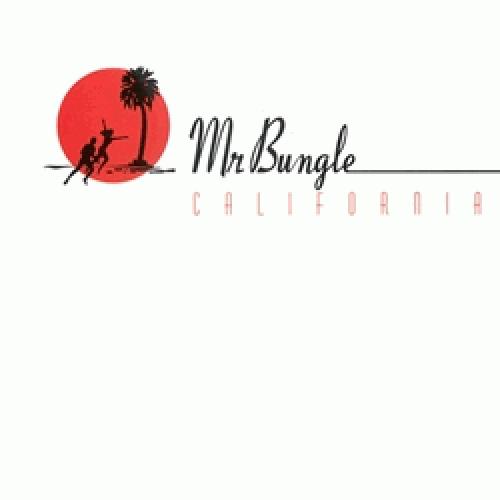
Review Summary: With California, Mr. Bungle pushes the boundaries of "retro" songwriting beyond its limits.
In a 1951 interview for
The Western Review, Southern literary giant William Faulkner advised aspiring writers to “read everything--trash, classics, good and bad, and see how they do it. Just like a carpenter who works as an apprentice and studies the master. Read! You'll absorb it. Then write. If it is good, you'll find out.” This sage advice can be applied to any form of art and the members of Mr. Bungle undoubtedly wrote music under a similar mantra throughout their careers in the band, their years of writing and touring culminating in their magnum opus,
California. Recorded in 1998 and released on June 13, 1999,
California features some of the most prominent “retro” influences in the band’s catalog. The band’s decision to record to analog tape is reflective of this.
“Retro” is simultaneously the best and the worst way to describe this album. Throughout its career, Mr. Bungle has always displayed what is most likely the widest and most eclectic range of influences of any band, incorporating influences ranging from metal to lounge music, surf rock, pop, jazz, Hawaiian and even Middle Eastern music, and in that sense
California is no different. What makes
California differ from and rise above its predecessors is its more focused songwriting.
The reason “retro” is such an accurate descriptor of this album is because
California is almost entirely made up of what are essentially old-fashioned pop-songs. Songs such as “Pink Cigarette” and “Vanity Fair” call to mind forgotten Motown legends and “Retrovertigo” is essentially a slow, acoustic ballad. On the other hand, while these songs do echo many trends in pop music that have fallen by the wayside as their popularity declined over the years,
California is anything but musical regression. The reason “retro” is just as poor a description for
California as it is an accurate one is due to Mr. Bungle’s visionary combination of their many influences with the more streamlined song-structures present on
California, creating an album that was not only far ahead of its time, but most likely still is to this day.