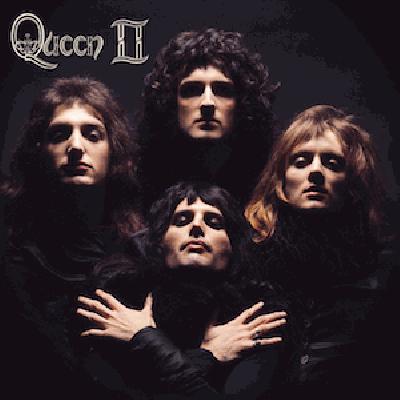
Review Summary: Whilst not as commercially successful or as popular as many of their later efforts, Queen II is a fine album from start to finish, touring prog rock to heavy metal, equal parts melody and innovation.
'Progressive' is at times a dirty word in music circles; denoting a predilection for technical flair over 'heart and soul', a penchant for the pretentious and unwarranted musical gymnastics, of egos as monolithic as the four hour concept albums they breathe creative life into. Such may be the casual listeners surprise, then, to discover that such a label once applied to Queen during their Jurassic period.
Boasting references to art and fantasy, detailed production and a well defined lyrical direction; whilst not definitively a concept album, Side A (for the most part written by May) explores emotional themes, whilst Mercury's Side B traverses the darker side of fantasy. The defining traits of classic Queen are intact; Mercury's flamboyance, May's distinctive guitar playing, vocal harmonies; yet this comparatively foetal manifestation of the band have yet to truly establish the more radio-friendly sound that would have them pack stadiums in the future.
The six minute-plus 'Father to Son', replete with keyboards and overdubbed instrumental passages, touring prog rock to heavy metal, is as epic as it is emotive, tugging on the heart strings before May thrashes them in hearty hard rocking fashion. Whilst not a heavy metal band, there are enough headbanger-friendly sections to please those inclined, most notably on Mercury's 'Ogre Battle', which some would argue (similar to 'Stone Cold Crazy' off of their 1974 release Sheer Heart Attack) is a precursor to thrash metal. True highlights of the album come in form of May's 'White Queen (As It Began)', and Mercury's 'The Fairy Feller's Master-Stroke'. The former showcases acoustic passages-as tender as they are mysterious, climax to heavy metal sections, interspersed with sitar and keyboards, fitting for subject matter detailing the idealised form of a beautiful woman, whilst the latter track is as eccentric as it is experimental; driven by harpsichord and exploring the vocal talents of Mercury and drummer Roger Taylor, it lyrically depicts a Richard Dadd painting.
Whilst not as commercially successful or as popular as many of their later efforts, Queen II is a fine album from start to finish; all killer, no filler, going from song to song, genre to genre, even singer to singer (both May and Taylor sing lead on 'Some Day One Day' and 'The Loser in the End', respectively) effortlessly, equal parts melody and innovation. Whilst the Queen presented here may differ from their more 'classic' incarnation, Queen II is still an album that is certainly worth a listen.


 Oh completely manosg, and they've equally influenced many metal acts themselves.
