Review Summary: "And with every body that I find, and with every claymore that they mine, I won't forget who I'm looking for"
Progressive rock is alive and well, and along with the likes of Opeth, Porcupine Tree, and Tool, The Mars Volta have proven themselves bearers of the torch, able to sustain a mood and capture even the most pop-friendly listener's attention over the course of songs which stretch well past the ten minute mark. Their full-length debut, De-Loused In The Comatorium, put them on the map, showing a band which not only could improvise their way through huge sonic soundscapes dominated by psychedelic guitar effects and trippy keyboard offerings, but could also get on the same page and rock out in the pocket, writing some of the most adventurous songs to be seen in the rock genre in a very long time.
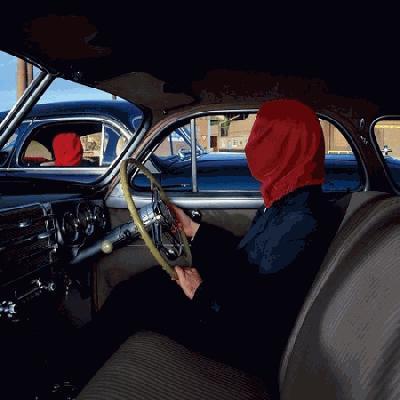
With Frances The Mute, the bands second full-length album, TMV have cut their product in half song-wise, taking De-Loused's ten tracks and spacing them out to a mere five songs nearly filling up the 80 minute CD, although the final song is a nearly half hour epic which actually spans seven tracks. Based on a diary found by the late Jeremy Ward (former TMV sound manipulator who passed away shortly after De-Loused) inside a car while working as a repo man, Frances The Mute is the story of a young wanderer whose orphaned and lonely life has led them on a journey to find their real parents and to fulfill the characters wanting to belong to something...anything... since Jeremy was a crucial member of TMV before his untimely death and had a very personal identification with the diary and how it related to his own orphan status, the band decided to make Frances their tribute to him, titling all the tracks after characters from the journals pages and making the lyrics into a conceptual journey to find peace. So the story is great, but what about the music?
Frances The Mute still packs plenty of powerful musical muscle for any casual or hardcore fan of the band and/or progressive music to be able to bang their heads, drop their jaws, close their eyes and drift away, and ultimately just feel haunted by the pure sense of nostalgia which the album invokes. Cedric Bixler-Zavala's vocals and Omar A Rodriguez-Lopez's manic guitar playing still interact with an inhuman passion which instantly brings to mind images of Robert Plant and Jimmy Page, and the rhythm section is stronger than ever, Juan Alderte's insanely fast and Flea-like bass playing matching Jon Theodore's dizzying drum blasts note for note. Isaiah Ikey-Owens keyboard skill is also more drawn out of the mix than the rather weak inclusion of De-Loused, something which is appreciated constantly except for the not quite ambient noise between tracks which I much rather would have traded in for more great music instead of the band making noise with their instruments.
While maintaining a developed sense of musicianship from De-Loused, they are also starting to move into genres other than rock, the deliberate salsa influence breathing life into L'Via L'Viaquez, which will make you want to dance your buns off, while Flea of the Chili Peppers leads Miranda That Ghost Just Isn't Holy Anymore through melancholy and haunting jazz runs with his gifted, seldom-heard trumpet playing. The Widow is a ballad on par with De-Loused's Televators, though not quite as mellow and will probably be the favored track among those who can't stomach the attention-span requiring 32 minute Cassandra Gemini, the album's closer and high point. Although it gets lost a few times, the final track on Frances illustrates some truly incredible moments for the band and shows that a rock band playing with an orchestra can still sound good, something Metallica could never seem to pull off.
If you liked De-Loused, you're not going to find any reason to complain here. The band have clearly changed their style enough to satisfy their own creativity but not so much as to alienate their fans, whether this was intentional or not I have no idea. But the point is if you don't buy this you'll be depriving yourself of one of modern progressive rock's most promising albums.