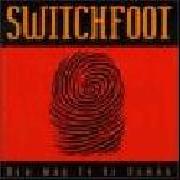
Review Summary: Is Vice Verses the crowning achievement of Switchfoot's storied career? Possibly.
The latest album from San Diego's Switchfoot hits like a hurricane. From the opening notes of the first track, Switchfoot makes a statement. And that statement is not one of complacency and satisfaction with the status quo. Accompanied by grungy, gripping guitar riffs, lead singer Jon Foreman proclaims: "I'm ready now. I'm not waiting for the afterlife".
The art of making rock and roll has evolved over the years. From the eclectic work of Elvis to the stadium-filling aura of U2, America witnessed this musical genre grow into the behemoth of today. In this arena of popular culture, there is truly nothing new under the sun. Modern rock bands spend years searching, experimenting with the right formula to make their music impacting and stand out from the crowd. In the face of this continual rebirth, something must be said for bands that grasp when they have reached a powerful equilibrium. Switchfoot reaches that place in Vice Verses, the latest offering from the Grammy-winning alternative rock group.
Lyrically, musically, and thematically, Vice Verses succeeds on numerous levels. In the modern world of iTunes, YouTube, and radio, the art of crafting a cohesive albums becomes largely lost. Most bands are capable of piecing together a catchy tune to dominate the airways, but few produce an entire album as satisfying as the individual songs within it. The musicality of Vice Verses complements the lyrical subtleties to paint the message Switchfoot wants to portray.
So what is the album about? Vice Verses deals with the light and the dark, the good and the bad, the beautiful and the ugly. Life is full of nasty contradictions, and Switchfoot refuses to shy away. What is the meaning of life? This is nothing less than what Switchfoot aims to find.
The album hits like an atomic blast. Opening track "Afterlife" returns the band to its post-grunge roots, introducing a serrated, staccato guitar riff supporting unabashed lyrical forthrightness. Frontman Jon Foreman ponders, "Why would I wait until I die to come alive?" "Afterlife" feels like an awakening, like the beginning of something big. The stage is set for the proportions of what is to come. "Afterlife" begins a journey, even if there are some roadblocks along the way.
The album loses some momentum upon arriving at "The Original". An undulating guitar riff sets a peppy precedent, yielding to some of the most cliche lyrics Foreman has ever penned: "Got your hands in your pockets, like you're reading to pay. Got your eyes out of socket, like you're a mile away." As energetic as the song aims to be, the listener feels almost embarrassed to have listened. Thankfully, "The War Inside" stops the bleeding, tempering an electronic sonic landscape with almost robotic-sounding lyrics. The effect works, lending Foreman an almost mechanical authority as he grinds through an extended metaphor on internal conflict.
The second quarter of the album debuts with the poetically beautiful ballad "Restless". Foreman's voice cascades as the song reaches a crescendo: "I can feel you reaching, pushing through the ceiling, 'till the final healing". Conversely, "Blinding Light" feels like a Beach Boys tune, with jingly instrumentation and crooning lyrics. This song suffers from the same malady as "The Original", namely cringe-worthy lyrics, albeit with an uplifting message of self-confidence.
All bets are off in "Selling The News", perhaps the greatest deviation Switchfoot has ever taken from their trademark sound. And this works. Cartwheeling guitars and a groovy hip-hop beat lay the backbone for Foreman's biting, scathing analysis of an all-consuming media. "When nothing is sacred, there's nothing to lose. When nothing is sacred, all is consumed. We're still on the air, it must be the truth. We're selling the news." Long-time fans may experience shock at Foreman's almost rap-like delivery of the message.
"Thrive" provides a quiet interlude between two rockers, placing Foreman in a bout of introspection. The line between living and living is explored; this song yearns for something more than broken dreams. "Dark Horses" wakes up the audience in a big way. Aggressively tuned guitars set up a grooving verse structure, as Foreman pleads for the world to stand up for the dark horses. The song builds to a fever pitch as Foreman screams, "We know we'll find a way. We are the dark horses." Switchfoot's identity as a hard rock band is certainly not lost on their new record.
Vice Verses begins a steady rise to its climax with the slowly building "Souvenirs", a melancholy reflection on cherished memories. The song builds into a fever pitch as Foreman laments, "Nothing lasts forever." "Rise Above" provides another example of musical creativity as an almost dance-inspired beat accompanies brilliantly witty lyrics: "Don't believe the system's on your side. Just another lover-turned-enemy fight. Just another blood and nicotine sky. Oh, come on!"
The title track of the album tempers the excitement of previous tracks, reminding the listener of the reason these songs exist. A beautiful quality of Vice Verses is the mental pictures that the songs paint. The listener feels like they are exploring a blood-torn battleground in "The War Inside", and Foreman beckons the listener closer to the bonfire in "Souvenirs". In "Vice Verses", the listener feels the cold wind biting at their fingers, hears the roiling waves pound on the shoreline, sees the stars light up the night sky. Sounding like a man lost in transition, Foreman sighs, "The ocean sounds like a garage band, coming at me like a drunk man. The ocean's telling me a thousand stories. And none of them are lies." Foreman sounds desolately alone in his sorrows as he searches for meaning. "Where is God in the earthquake? Where is God in the genocide?"
Just when it feels like Switchfoot has given up hope in this broken world, they respond with audacity. "Where I Belong" is the triumphant final chapter to the journey that is Vice Verses. Haunting backing vocals lend an airy feel to the chugging instrumentals. This song feels like the end. This song feels like something big. at 6 minutes and 53 seconds long, "Where I Belong" is the longest song in any of Switchfoot's discography. The song feels like more than just an album closer; it feels like the end of something. Foreman takes his hopelessness from the title track and counters with a resolve to live as if forever starts now. "But I'm not sentimental. This skin and bones is a rental. And no one makes it out alive."
Is Vice Verses the crowning achievement of Switchfoot's storied career? Possibly. This time around, the music feels weighty. The highs are higher. The lows are lower. Switchfoot rocks harder, and they slow it down, down, down. And all along the listener witnesses something monumental: the search for meaning, a universal truth of the human existence. Does Switchfoot find an answer to life's never-ending questions? No. But they resolve to live out the string regardless.
On the one hand, light. On the other, darkness. Vice Verses is not always uplifting. It is not always encouraging. But it is impacting. Switchfoot struggles with the polarity of life, the maddening doubts and fears driving humanity mad. Do they despair in the moments of darkness? No way. "This body's not my home. This world is not my own. But I still can hear the sound of my heart beating out. So let's go, boys, play it loud!"
Switchfoot's Vice Verses reaches a new level in musical diversity, in lyrical ingenuity, and in thematic impact. Fans and casual listeners alike should flock to this new offering. But they should also be forewarned; they will not listen and remain unchanged. Vice Verses is powerful, and it lasts.
"Forever, now. Forever."