Review Summary: This album is worth checking out for classic rock fans!
Todd Rundgren is more of a cult figure than a superstar. He never had a #1 hit record, but was an innovator in production. He also would become a one man band, playing every instrument on most of "Something/Anything,"(1972) and "Hermit Of Mink Hollow"(1978). "Runt: The Ballad Of Todd Rundgren" (released in 1971), features studio musicians on a few tracks, but mainly is a solo effort. The album title stays true to it's name, with most of the songs being ballads. Although it sounds like a boring affair, Todd never repeats himself, as each song has it's own unique qualities.
"Long Flowing Robe" fits more into the pop rock category, opening with a clavinet riff. Todd sings about this beautiful woman who never seems to have the same feelings he has for her. It's almost like she's an imaginary character, ("In a long flowing robe, she appeared at the bedroom door") and Todd's tenor voice sings out with anticipation in the chorus of meeting her. "The Ballad (Denny & Jean)" is about a marriage that never seems to work out. In a hushed voice, Rundgren tells the story of their troubles lives, but the listener never finds out the specifics of what went wrong ("Jean told a lie, "Denny deceived, Jean packed her bags to leave"). The lyrics are very abstract, but the instrumentation makes up for it (featuring piano and a talk box during the second bridge). Patience is essential when listening to this record, because each song seems to have a meaning that's hidden like buried treasure.
There are a few rockers on this album as well, the most notable being "Chain Letter." The song opens with beautiful major chords on acoustic guitar, and features a great lyric about enjoying what life has to offer ("Don't take yourself too seriously, there are precious few things worth hating now a days, and none of them are me"). After this introduction, the electric guitar comes in with tight strumming alongside the bass and drums. If you listen closely to the lyrics, Rundgren describes the process of writing a song, and it's actually quite clever ("This is how I thought I'd start my song," "Now I'm in the middle and I just don't know, "This is the ending of my song"). It's like he's pondering whether to give up or finish it. The coda is lengthy but features this great jam session repeated by the phrase "carry on," before the song abruptly ends.
The best cut on the album is "Wailing Wall," which has an isolated feel to it with just vocals and piano. It's almost like you're in the studio with him as he deals with despair ("Crying just as though my heart could break"). In fact, most of these songs have an autobiographical feel to them, and you feel Rundgren's pain. The song sounds like it's about an old lady who cries all day, mourning the life of someone never mentioned ("And she cries all day, so sad and alone"). Instead of a strings section, Todd decides to add harmonies to the track which are moving to the point of utter sorrow.
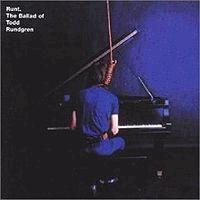
The album cover has Todd sitting at a piano with a noose around his neck. As strange as that seems, it makes sense as most of the songs deal with either suicide, ("Chain Letter, "Boat On The Charles") heartbreak ("Hope I'm Around," "Be Nice To Me," "Wailing Wall") or insanity ("Parole," "Bleeding"). Why Rundgren never made it into the rock and roll hall of fame is a mystery to me, and listening to this record proves the point of how talented he is. The one problem with the record is he never sticks to the same formula, (which he prefers) so you never get used to his style. However, this is what makes him unique and I'd recommend this album to anyone who wants to hear music by an underrated artist who never got the attention he deserved.
B