Review Summary: The Clash do everything right
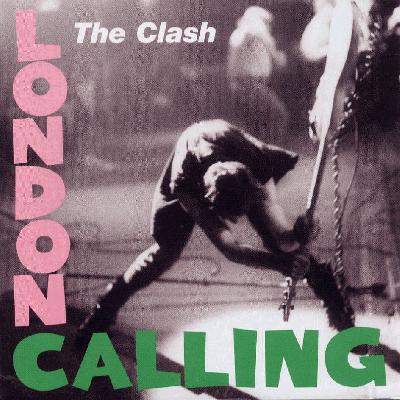
While The Clash began as a punk band, by the time they released London Calling in 1979 it was abundantly clear that they had transformed into something completely different. On this classic album, the band triumphantly burst through the confines of the genre and released a hugely ambitious double album that coveres a wide range of musical styles. While that is a noteworthy feat in itself, London Calling also boasts a mindboggling number of not only good songs, but fantastic songs. The record is simply one of the all-time greats and still sounds just as fresh, invigorating and powerful now as the day it was released.
The album opens with the tight, punchy guitars and rolling bass of the title track, which is grounded by Joe Strummers apocalypse-fearing lyrics. Jimmy Jazz demonstrates the band’s quieter side and introduces the horns used on a number of tracks. Spanish Bombs is one my personal favorites; there’s just something about the unadulterated bliss of the track that takes it to another level. The Right Profile shows the big band sound that The Clash use with gusto and features a great sax solo. The band proves it can still rock with roaring, politically charged Clampdown, which is followed up by the dark reggae-infused sound of Guns of Brixton. Lost in the Supermarket showcases Strummer and the band at their most introspective, delivering a tragic, intimate, but stil catchy song. The album remains stellar through its second half, with the joyous I'm Not Down and Death or Glory, which features my favorite lyric on the record “He who ***s nuns will later join the church”. The final, originally unlabeled song, Train in Vain, sees the Clash experimenting with pop, but it's actually one of the best songs on the record and at the time it became a modest radio hit.
The lyrics on the album are consistently great, being equal turns depressing, uplifting, angry, fearful and politically provocative. Strummer and Mick Jones also share vocal duties to nice effect and even Paul Simonon, the bassist, sings on Guns of Brixton. In addition, the instrumentation is inventive and diverse, miles away from what other punk bands were doing at time. To be fair though, London Calling can’t really be compared with punk music, as by this point, The Clash, having revolutionized the genre, were essentially finished with it. In fact, one the album's greatest strengths is the way it proved that the band could reinvent themselves musically, while still maintaining the energy and power of their rawer earlier work.
However, London Calling’s genius lies not only in the strengths of the individual songs but also in its general quantity, quality and diversity. The Clash were able to find the perfect balance of experimentation, accessibility and most importantly good songwriting, a balance which was to be forgotten on their next album, the bloated, overly ambitious Sandinista! and never again found. Even more impressive is the way the album coheres as a whole: no other double album is able cover the musical range exhibited on this one while still retaining a unified feel quite like the way London Calling does. The way each song flows into the next, coupled with the realization that not a single one (perhaps barring Lover’s Rock) is bad or even mediocre creates such a powerful, enjoyable listen that it feels far shorter than its length of one hour. At the end of the day, there are simply no more accolades I can pile on this thoroughly brilliant music triumph and the way it showcases a band at its absolute peak.