Review Summary: Condon maintains his momentum as one of the more interesting indie-folk songwriters around at the moment.
The fusion of elements of folk roots with the sensibilities of “21st Century Indie” has become increasingly popular of late, giving rise to such acts as the Decemberists and Fleet Foxes, and catapulting previously little known acts such as Iron and Wine into the public consciousness. The third album from Beirut (essentially an alias under which singer-songwriter Zac Condon channels his creative output) is firmly, and perhaps doggedly, set into this mould.
It certainly appears that Beirut have further settled into the faux-folk, eastern-tinged indie groove that was introduced in their previous two albums. The Rip Tide is a rather more upbeat affair than its predecessors, whilst at the same time retaining the melancholy and angst of Condon’s strong yet warbling vocals. There is little variation between the tracks, which all follow the same blueprint - an often-marching drumbeat underneath lush (if unambitious) layers of piano and horns.
Whilst the inclusion in every song of that oh-so-familiar trumpetry does begin to wear after about 15 minutes, some tracks undeniably stand out. The catchy synth-led ‘Santa Fe’, is almost impossible not to take a fancy to, and the yearning horn hook that characterizes the single ‘East Harlem’ is reminiscent, like all the best Beirut tracks, of bygone times in foreign, sepia-tinged countries. And in ‘Goshen’, we glimpse the influence of sweet McCartney-esque rock balladry, before the inevitable horn-drum hooks make their persistent return.
The record is introspective both lyrically and in its arrangements. When, on ‘The Peacock’, Condon sings ‘He’s the only one who knows the words’, it might as well refer to himself, the lyrical turns being bemusing and sometimes too obscure. The production and arrangement is understated and organic, with the vocals buried deep in a simple mix that, whilst in the spirit of the album as a whole, often masks the lyrics.
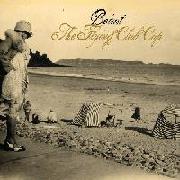
There is enough here to distinguish The Rip Tide from its musical colleagues - the wistful romanticism, the distinctive and expressive vocals, the continental tinges. As popular music goes, this is classy, quality stuff. However, it remains conservative in refusing to evolve in style from Beirut’s earlier albums - in fact, it regresses a touch, eschewing some of the french elements that made the previous effort, The Flying Club Cup, stand out. In conclusion: a sure bet, but hard to get too excited about!