Review Summary: Genesis comes into their own.
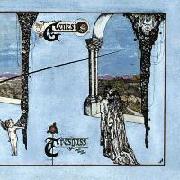
With
Trespass, Genesis started adding art rock leanings to their music, which was very much opposed to the 60's pop of their debut. In 1971, with the addition of virtuoso Steve Hackett and master drummer Phil Collins, the band released
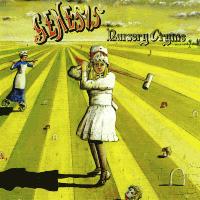
Nursery Cryme, an album that took the progressive leanings of the previous album and multiplied them tenfold, resulting in a revolutionary and incredibly unique record that would pave the way for the heights that the band would reach.
Nursery Cryme begins with "The Musical Box," a Genesis classic, which shows how the band was starting to mature and find their footing in the music world. It's an epic track, building up and going down and utilizing the chops of Hackett especially, in which he lays down some riffs that clearly influenced Iron Maiden, Rush, Marillion, and many others. "For Absent Friends" is a short one but is important for being the first Genesis song to feature Phil Collins on lead vocals, and yes, he could sing back then too. This song really just fills up space and leads to "The Return of the Giant Hogweed," a song with theatrics and over-the-top bombasticism and all the aspects that made Genesis such an innovative band in the 70s.
Side two is very good, but serves as mostly a collection of songs to pad out space for the closing epic. "Seven Stones" is a light and peaceful number with a classical British feel to it (the same sound that made critics hate the band to begin with) and showcases Gabriel's great and unique voice and Banks' keyboards. The next two songs are more or less filler. "Harold the Barrel" would've fit in more with Magical Mystery Tour-era Beatles, and despite its interesting lyrical theme (restaurant owner kills himself, odd subject for prog) it is simply something to fill up side two. "Harlequin" is more or less much of the same, a repetitive and boring tune that at least leads to something special. The album's closer, "The Fountain of Salmacis," is another over-the-top prog epic, featuring everything that was great and unique about this era of Genesis. Not to mention, the lyrics are about Salmacis trying to rape Hermaphroditus, so it's a classic prog subject matter - literature, mythology, all the nerdy *** that the genre was both loved and hated for.
Nursery Cryme takes all of the previous album's shortcomings and improves on nearly all of them, yet there is still room for improvement, and like all progressive rock bands during this period, Genesis did nothing but progress forward, constantly innovating and growing. This album serves as the beginning of a classic era.