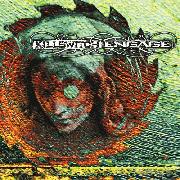
Review Summary: Killswitch Engage attempts to appeal to a larger audience, but forgets how to appeal to themselves.
There aren’t many artists applauded for their creative stubbornness. There’s a certain point in such an artist's career that is reached that makes the audience question whether or not they're being sincere with themselves and their music, and it becomes hard to appreciate the direction they take; refusing to learn from missteps and flukes, and breeding a color spectrum of simply black and white, working with so little in their palette. Unsurprisingly, such is the case with the Massachusetts-based metalcore group
Killswitch Engage.
Now, don’t get me wrong: the genre of metalcore hasn’t been known for its originality, criticized for striking up anthem after anthem of ridiculous and sometimes sickeningly angst-ridden lyrical themes and overall predictable paths of dynamic and atmosphere. For most, that’s just fine. Chug after chug, clean chorus after clean chorus, they’re not something to laud the majority of metalcore acts about, but when used correctly are inoffensive and passable. However, Killswitch Engage hasn’t always fallen into such a rut. Looking back at their past efforts, one can see that, even though the material wasn’t exactly revolutionary or groundbreaking, it was reverent and honest. There was always a certain nostalgic quality that coupled the music, at first building on the discovery of the self and the human connection, and, while becoming more grandiose and universal, still retaining an intimate quality. The music was always interesting and willing to mold itself and develop naturally. It was hard to pinpoint exactly what made Killswitch Engage so easily enjoyable, even with the copious amounts of songs in the same key and meter. No matter how humongous tracks like “Reject Yourself” from 2006’s
As Daylight Dies became, there was always a personal connotation that could engage the listener and allow itself to breathe.
But sadly, along came a lack of inspiration, and stole Killswitch Engage’s elusiveness away.
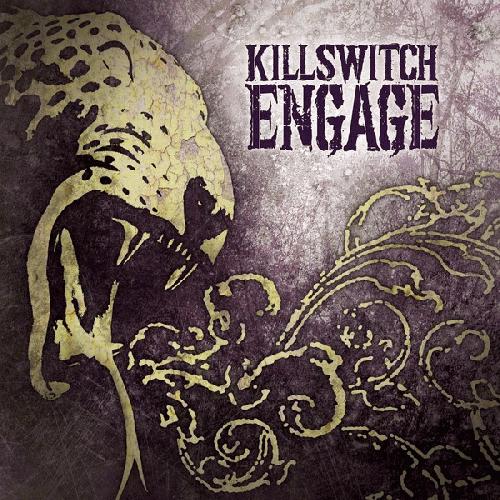
Killswitch Engage II, ironically, found the group being evaded by none other than themselves. Struggling to tear away from the signature wonderment that filled their previous material to the brim, but also fighting to become more accessible, the group sees themselves walking the line between their honesty and the appeal of kitsch. Less and less of listeners view Killswitch as dangerous, mystical, and beautiful as they were before, and are left with a toned down, radio friendly group that wishes to hold on to their old selves, but can’t. Falling back on the clichés of wild guitar runs and forced pseudo-melodic virtuosity, the entire message of the album suffers: a message of renewal, referenced clearly in tracks like “Starting Over”. Howard Jones attempts to conjure up his trademark beastly, booming voice, but ends up sounding contrived and counterfeit in his emotion, slipping into that angst-ridden metalcore trope. The once unmistakable power of his voice is lost, replaced by tinny screaming, and his singing deteriorates into a whining, weak grasp for emotional response. The lyrics don’t bring much to the table either with their generic bluntness, borrowing from whatever metal fascinations they can, while trying to be both sensitive and tough in their presentation, ultimately coming off as awkward and clumsy. Too many bland lines like “Can we start again? What we had can’t be discarded,” and “Living on greed and possessions, is this what we’re dying for?” leave a bad taste in the listener’s mouth and questions how seriously the band wants to be taken.
Although the album suffers tremendously from a lack of passion, it’s hard to deny that the band doesn’t sound bad instrumentally. The production is sleek and full, and easily lets the band show off the chops they’ve developed over the years since the celestial
As Daylight Dies. The band is much more grounded and earthy in this record, planting firmly and letting their new found pragmatic instrumental ability cut through and create a new sound, boastfully playing with more triumphant guitars and blistering drum beats and letting Howard off of his leash, for better or for worse. That doesn’t excuse it from falling into cheesy patterns and a negative predictability, painfully exemplifying an undying grip on structure and a winning formula. On the other hand, the band tries new things within the formula, flexing their muscles and showing how much tighter of a group they’ve become, with tempo changes and diverse musical ideas becoming apparent. The band easily switches from the Viking metal-influenced “Light in a Darkened World”, a strong track on the album, to songs like “Lost”, which show a darker and more patient Killswitch Engage, operating within an aesthetic that they themselves carve out of their experimentation within a ballad format, slower paced than most of their songs, and recalling the magic that they were once so fond of making.
In the end,
Killswitch Engage II simply doesn’t live up to its potential. With a more focused sound and new atmosphere, the band doesn’t cooperate with themselves, running with a significantly staler and mezzo sound, forgetting how to transcend and impact the listener. The musicianship leaves much to be admired, but their fusing of new and old musical instincts leaves one with a desire for more, drawing from a boring and inoffensive backdrop for which to paint their name on. The magnificently sincere sensibility that Killswitch Engage communicated so well in their previous records disappears here, and the audience has to start over with a band that could have done so much more with what they had.