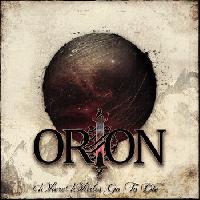
Review Summary: Orion bring a solid and somewhat experimental approach to the post-metal genre, releasing a very well-crafted effort that could signify the rise of a new great in the genre.
It seems there's been a sweeping movement in Metal to make things bigger - more theatrical, more atmospheric, denser, heavier, you name it. Granted, there's nothing immediately wrong with the idea of enlarging the sound, but it feels that many bands, when preoccupied with expanding their sound, end up with a large, empty, and as a result, hollow shell. Fortunately for Orion, a four piece instumental outfit from Manchester, the experimental sounds they create and compile feel warm, fluid, and whole. And very, very grand.
Consisting of only four instrumental tracks that vary from the hard hitting and dark to the ambient and melodic, Orion fill
Where Whales Go To Die with layer upon layer of precise transitioning, musical depth, and emotion. Perhaps most easily described as a post-metal mash-up of Tesseract and Isis, Orion manage to achieve a sound that varies between three distinct thresholds. Threshold one being poignant, ambient interludes worthy of being classified in the same arena as drawn out orchestral swells; threshold two being leading axework that not only moves the song along, but does so with a sense of gusto and style, creating memorable hooks that transform into mental choruses. The third and final threshold is the presence of down-tuned chugged rhythm sections that, when used in combination with the other two thresholds described here, manage to provide a quick and simple change of pace that doesn't overstay its welcome, as can often be the case when overused to nauseating effect by djent bands.
But the presence of these thresholds themselves isn't what makes
Where Whales Go To Die such a great listen. As with other bands in the post-metal genre, a great deal of the grace comes in managing the transitions between these elements as well as the songs themselves. Orion manage to do this quite well by incorporating overarching drum fills that run from rhythms to leads, underlying ambient currents that run from leads to interludes, and harmonics and leads that run from interludes to lead hooks. It's all like one big zen ebb and flow, with each element containing some small piece of another, and it brings everything together in a very smooth way.
While the work of the band can be said not to contain any vocal passages, opening track "Machine" contains a speech from Charlie Chaplin's "The Great Dictator," a truly excellent speech framing the wonder of humanity, the value of human decency and the importance of life, hope, and love. It's simply beautiful, and lends a light, positive tone to the album that it would otherwise be lacking. All the while, Orion create a brooding, solemn tone underneath the speech, waiting for the cheers of the listening audience to erupt, before launching off into dark, chugging riffs which lead to a melodic solo that seems to call for the revolution previously advocated by Chaplin.
The album segues quietly from "Machine" to "Surface," where the atmospheric dark, rushing, electronic noises mimic a sound similar to a whale's song and create interludes between deep grooves and subsequent melodic leads. While it's easy for bands with this sort of sound to simply drone on for too long with repetitive chugs or simple leads,
Where Whales Go to Die always manages to feel fresh and interesting. Be it simply by incorporating acoustic harmonics into the fray that lead to warm solos in between the more mechanized distorted riffing or by simply managing the proper interlude to riff and solo ratio, it feels like Orion have simply done it right.
While not quite at the level of Isis, it feels like Orion aren't far off. The sound here is big enough, full enough, experimental enough, and certainly more than inspired enough to warrant the comparison. It truly feels that, given enough time, Orion could easily become one of the next post-metal giants.