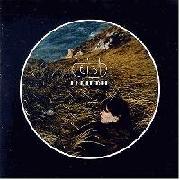
Review Summary: Feist makes a warm and welcome return to the industry.
In a season of big releases such as M83’s grandiose double-album
Hurry Up, We’re Dreaming, Bjork’s ambitious
Biophilia project, Zola Jesus’ acclaimed return with
Conatus; the quieter, more subdued artists must not be forgotten. Skipping all the gimmicks and massive promotions of 2011 is Feist’s return to music with
Metals. The album comes after Feist having taken a number of years off to recover from the rollercoaster induced by the breakout success of her previous album
The Reminder, specifically its lead single “1234.” The song got most of its recognition from a popular Apple commercial, which would soon turn a very lovely indie-pop gem into the dreaded and overplayed “iPod Nano Song.”
With her audience expanded, Feist had a lot more to live up to with her new release. From it’s first single, “How Come You Never Go There,” it became clear that Feist was not changing her sound for this new pop oriented fan-base. The song is a very typical Feist affair with its subtle guitar melody and her lo-fi style vocals, it is exactly what one would expect from a Feist song, but that familiarity does not alter the fact that it is damn good.
The album's opening track, “The Bad In Each Other,” instantly brings the listener in with its gorgeous chorus incorporation gentle guitar strumming and light horn arrangement over Feist’s soft, yet howling, vocals. The entire first half of the album never loses its stride having the perfect placement of tracks with particular standouts, “Graveyard,” where she wails about bringing things back to life, giving the album a natural and organic feel, and “A Commotion,” where she picks up the pace creating, as the title suggests, a loud stomping melody backed by a symphony of quick strings and the shouts of the words, “a commotion, “ by her backing band.
It is following the very sweet acoustic ballad, “The Circle Married The Line,” that the album tends to lose itself though. Unlike the first half of the album where every track is a great stand alone body, the second half gets obscured in too many songs that sound very similar. Songs like “Anti-Pioneer,” and “Cicadas and Gulls,” basically go unnoticed in the flow of the album, which is a shame because they are very good songs, and far from filler, but simply not up to par with everything else.
In a tradition Feist manner though, she ends the album very eloquently with, “Get It Wrong, Get It Right,” a very personal number with slowly building background vocals and a lovely melody that tops most every other on the album. With that the album quietly drifts off into silence concluding a very satisfying listen. While
Metals is not extraordinarily gripping, for Feist does not push any boundaries or try anything that she has not done before, it is a very emotionally appealing hour long body of work that can easily compete with the success of
The Reminder and well deserving of any future successes she will undoubtedly get from it.