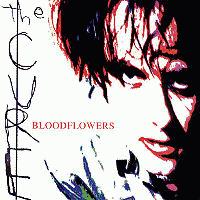
Bloodflowers is ultimately an album for the fans. If you're a casual listener of The Cure, and enjoy only a handful of their songs, it's not the album for you. If you're someone like me who worships at the altar of Robert Smith, you'll probably love it. Robert really intended it as an album for long-term Cure fans, especially those unhappy with the bands more commercial ventures in the 90s. He wanted to make an album on par with Pornography and Disintegration to form a trilogy that would reflect his best work, and that, I feel he did. But it's easy to see why many find the album to be mediocre. It really explodes the trademark sounds of the band- like atmospheric guitars, dominant basslines, and ethereal keyboards- to a point where people who aren't 110% in love with The Cure will find it boring. "Watching Me Fall" is very much the make it or break it track. Most non-fans will find it insufferably boring and turn the record off. Cure fans on the other hand, will probably start to jizz when Robert starts screaming near the end.
Like Disintegration and Pornography, Bloodflowers is a relentlessly melancholy, though beautiful album. Lyrically, the album explores aging, and no longer possessing the spark you did when you were young. Musically, the songs revolve around hypnotic chord progressions and occasionally feature solos. Robert's solo on the title track, which he described as the first solo in his career that he was satisfied with, is a highlight. His wah playing on "39," reminiscent of "The Kiss" is excellent as well.
While a lot can be said about Bloodflowers relying heavily on The Cure's established sound, it contains a lot of new elements which it's rarely given credit for. Roger O'Donnell's piano playing is distinctly jazzier than on previous records, especially on "Out Of This World." Robert utilizes a more subdued vocal style on most tracks, making his emotional outbursts more powerful on the occasions that they occur. Simon Gallup employs a very nasal bass sound, courtesy of a Gibson Thunderbird, which provides an interesting contour to the rest of the music. Drummer Jason Cooper, who entered the band on the previous album, gets a lot of flak which I feel is undeserved. His style may be off-putting to some because it's not the huge, 80s drum sound The Cure are known for having, but I find his performance totally competent.
So if you're a Cure fan, do yourself a favor and get this album. It is certainly the band's best effort since Disintegration, and certainly the benchmark against which all future Cure albums will be judged.