Review Summary: Cold, bleak, and moody. On the surface some may find it too long-winded and pretentious without any clear direction. But with repeated listens and great patience, you'll find an album that's unrivaled in depth, atmosphere, composition, and cohesiveness.
Agalloch has been one of my favorite bands to follow and watch grow for many years. It's only fitting that my first review here would be for them. Their 2010 opus,
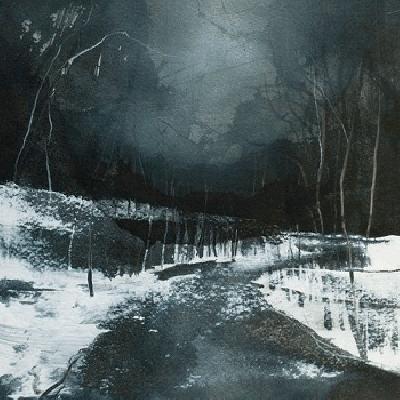
Marrow of the Spirit, captured my ears once more and created a dark and moody atmosphere that won't soon be forgotten.
I think the greatest strength of Agalloch is that they never (intentionally) look back at previous albums and try and duplicate their successes or fix their shortcomings. They approach each album as a totally new piece of art, a fresh palette if you will. It's almost as if each new album is another "first" album. The differences between
The Mantle and
Ashes Against the Grain are stark, with
Pale Folklore being a template for their sound. And their various EP's each have their own niche to fill. This legacy of releases that never repeat themselves continues on in
Marrow of the Spirit, taking Agalloch into new territories, as well as familiar ones.
For some this album may sound broken, or confused. And for those unfamiliar with the long, repetitive tracks of atmospheric black, ambient music, or other long-winded genres I can see where they are coming from. However, I'll kindly disagree with that sentiment and go so far to say that
Marrow is their most focused and cohesive piece of art to date. This album is also easily their darkest (and blackest?) composition, but certainly not their heaviest.
Their newest member Aesop Dekker's drumming is at the forefront of "Into the Painted Grey". The first time I heard this track it truly took me by surprise. While Agalloch has written some pretty loud, heavy songs in the past, I was not expecting an album opener filled with blast beats and tremolo picking. The drumming itself is the most notable change. Instead of being buried behind a wall of guitar, we now hear them loud, clear, and proud. The sound of it all really set the tone for the rest of the album. All at once it sounded new and refreshing while still maintaining a genuinely "Agalloch" feel. The analog production really enhanced for me this fusion of sounds. It was that "live album" feel taken from
Ashes Against the Grain where the guitars are more focused on their individual parts and less produced and layered like their earlier works. It felt like they could actually pull these songs off in a live setting without changing much. By that same token, there were still plenty of elements that tied the songs together that simply could not be done in a live setting. Clean melodies contrasted with heavy rhythms, an Agalloch staple. Acoustic parts floated in and out, though were considerably less prevalent than previous albums. And none of it sounded edited or overly compressed. It sounded raw and natural but also pristine and clear.
One thing this album requires is patience. You can argue that for almost any Agalloch album, but
Marrow is particularly long-winded, maybe even pretentiously so. This is an album that grabbed me as strikingly different upon my first listen, and there were things I didn't really care for. "The Watcher's Monolith" was a very boring song and seemed incredibly pointless for quite some time. But this CD didn't leave my car for (literally) 4 months. That song has grown on me and has since become one of my favorites. "Black Lake Nidstang" can be chalked up as another Agalloch epic, clocking in at over seventeen minutes. From the opening riff you know you're going to be in for a ride. It never felt overly repetitive and had an incredible variety of riffs and soundscapes. It also features some of John Haughm's most hauntingly painful cries I've ever heard. The hairs on my back still prick up when he begins his lament. "Ghosts of Midwinter Fires" really took me back to some of their early works. It's a song that feels right at home for most fans of Agalloch. This is in part due to the opening riff with some delayed clean guitar as found first on
Pale Folklore's "Melancholy Spirit". But it's the catchiest, folky song off the album and will likely go down as another classic fan favorite.
The album's big closer "To Drown" is a doozy. It's long, atmospheric and slow to build. But it builds to something overwhelmingly dark and depressing and will leave a meditative listener in a breathless state. If one were to actually drown, I'm sure it would feel much like I did on the first listen. The theme of this album can really be summed up by putting the first and last tracks' names together. "They Escaped the Weight of Darkness... To Drown". Which are precisely the lyrics in this song as well. A depressing allegory to the perpetually imperfect state of mankind. We may crawl out of one dark and destructive way of life, only to drown ourselves once more in another. A perfect closing for what almost seemed like a glimpse of hope and healing in "Midwinter Fires".
All in all, this album will still likely be a divisive album for many fans. Some may find it boring, pretentious, and lacking in the riff department. Others such as myself will find incredible depth and beauty in it's decidedly more dynamic approach. The tracks feel less like songs and more like different parts in one big, dark composition. It follows a common theme and maintains a cohesive sound more so than albums past. It feels new but familiar all at once. Even for those who may not enjoy it as much, there's still something to be found and appreciated on this monumental piece of art.