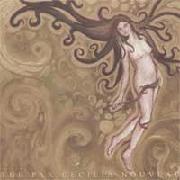
A second-long glitch and the slow, delicate hammering of piano keys begins The Pax Cecilia's sophomore album,
Blessed are the Bonds, which establishes them as a post-metal outfit whose exaggerated perceptions of what their genre can and should be serves as their biggest failure. They personify the singular, slow theme gaining momentum until drums and riffs take over and burst out with aggression, with some of the beginning's soft themes coming into play with a much smaller role. And repeat with some small variation - most of which just f
uck up the album's momentum or come across as completely unnecessary.
Granted, the scheme of the first three tracks is quite impressive, considering such structures are usually not explored when a band is as young as The Pax Cecilia during
Blessed are the Bonds's recording. The first track, aptly titled "The Tragedy" is emblematic of most of their attributes, slow piano lines build up until some delicate percussion and honey-sweet crooning contribute to the somber scene. Soon though, they run into trouble, not knowing what time is the right time to lock into that predictable crescendo, and as a result, they meander for a bit. Soon, cymbals crash and the vocalist pulls out his throaty call. Guitars aren't picked with precision, they blow up with vigorous riffs and noisy distortion. Again, predictable but effective to an extent. Next up comes "The Tomb Song" which is as much a counterpart to its predecessor as "The Machine" is to "The Progress." And what happens here allows you to be introduced to the best aspects of The Pax Cecilia. All at once but never again.
On the second track, piano lines are a tad faster than they were before, drums kick in at more appropriate times and its structure allows the climax to be much more effective, which is an admirable trait considering how concise the track is compared to others of its kind. As well, the wide range of vocals - from the same croon to gang chants and even some of the howling found on "The Progress" and "The Machine" (the album's two decidedly "metal" tracks) - brings in a small but noticeable amount of diversity to the table. Of course the song is excellent, but The Pax Cecilia run out of steam quickly. The Pax Cecilia make it a point to be ambitious, but they put too much on their plate and they can't successfully synthesize all of their musical themes into a unified whole without having a tremendous amount of filler.
This claim rings true as
Blessed are the Bonds grows redundant. Granted, the transition between "The Progress" and "The Machine" only strengthens the album's dramatic cohesion (as this sophomore album feels like one long-form composition split into parts than the traditional "album"), but the problem is that "The Machine" even exists. Its main function seems to be to highlight the band's metal aspects with disgruntling roars and primitive riffage, but it comes across as an afterthought more so than anything else because it doesn't seem to go anywhere or do much of anything other than chug away. And that's not the only afterthought to be found, as the middle of the album toys with ambient's sonic textures and it fails miserably. Soft drones and a few guitar notes that have been drenched in reverb fire off with an air of apathy, as The Pax Cecilia aren't aware of how to make these components atmospheric or interesting, and they certainly have no clue how to transform them into beautiful, layered works. Instead, it sounds one-dimensional and insipid. And let's be honest, those tribal voices are complete slaps in the face because it promotes the cheesiness of the Barnes and Noble Healing & Easy Listening shelf and treats it as though it should be taken seriously.
For upwards of ten minutes this dreadful ambient rendition goes on, relieved by some completely directionless post-rock pieces like "The Water Song," which uses a hill-and-valley effect. To their disadvantage, the valleys sound like a hodgepodge of acoustic, post-rock and ambient ideas. These misfires are redeemed only slightly by the rootsy closer, entitled "The Hymn." Here, vocals and a trusty acoustic guitar paint a dusty rock song's portrait with intense pathos and an alarming amount of hooks considering how few vocals there are, but unfortunately it gets trapped in a repetitive melody for a few minutes longer than it should have been. It seems as though The Pax Cecilia are trying their hardest to be ambitious and grand, but most of what they produce comes across as contrived, boring and convoluted. For this reason, they stumble over themselves and create awkward, senseless passages of filler more times than they make successful, piano-driven post-metal tracks.