Review Summary: And you thought Paranoid was heavy?
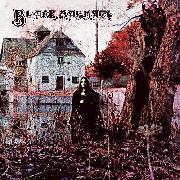
After shaping the very foundations of heavy metal with their debut and
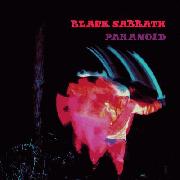
Paranoid, the Sabbath march of doom continued mercilessly.
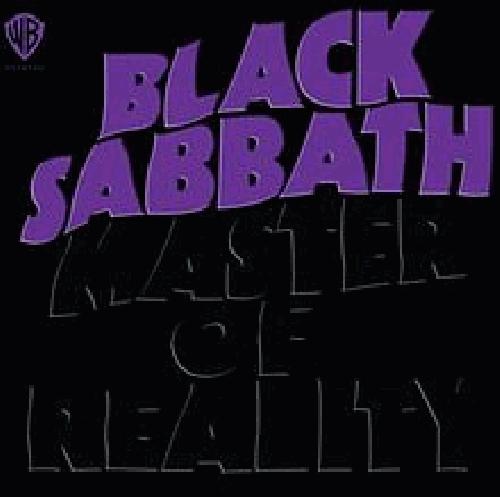
Master of Reality, released in 1971, was to be their heaviest yet. The cause of this was continued strain on Iommi whilst playing, following the loss of his two fingertips in an accident quite some years earlier. Tuning down his guitar to ease the tension of the strings, the album’s sound inevitably became even darker and sludgy, because also Butler would tune down his bass to fit in with Iommi. Later, the record would become a powerful inspiration for the doom metal and stoner rock genres, and it is not hard to hear why.
Since their inception, Sabbath had been marked as followers of Satan, which isn’t much of a surprise if you write songs such as
Black Sabbath and
N.I.B, and play them in such a dark way. These accusations were not entirely justified, however, as true evidence of devil worshipping could not be found in any of the band’s lyrics. Nevertheless, it was not an image the boys were always that happy with.
After Forever, completely about belief in God, countered their image directly: lines such as
‘They should realize before they criticize/That God is the only way to love’ make for a pretty clear message.
Lord of This World continues this trend, being about a more personal struggle between good and evil:
‘Your world was made for you by someone above/But you choose evil instead of love’.
In that sense,
Master of Reality completely contradicts itself, playing these differently-themed songs in that darker-than-ever-before relentless thump. The exceptions are the half-minute and one-and-a-half-minute instrumentals,
Embryo and
Orchid, respectively, and the ballad
Solitude. All have a medieval feel to them, and while the first two are merely breaks from the inevitable heaviness, the last is, like
Planet Caravan, a true soft track proving Sabbath could definitely do other things that being heavy and writing about equally heavy subjects. Once again, Osbourne’s vocals completely contradict is usual near-annoying wail, and his performance can actually be called superb, completing the mournful ballad that has Iommi playing both flute and piano to great effect.
The three best moments on the rather short album are, however, its three heaviest. Opener
Sweet Leaf immediately introduces that unforgiving, relentless thump, and is, like
Hand of Doom, about Sabbath’s recurring subject of drug abuse (Looking at the title, I shouldn’t have to explain
which drug it concerns). It sets the mood perfectly, displaying a strong musical image of unavoidably being drawn into the spiral of addiction.
Into the Void is similar, but takes more time to build up, and provides a perfect closer for the album. Once again a perfect match lyrically and musically, it tells how man will go down by its own persistence in technological progress, resulting in an apocalyptic world, or indeed, void. The best cut is the monstrous
Children of the Grave, adorning the middle spot of the album. Because of its sudden higher guitar parts in between the same wall of heaviness that can be found on the rest of the album and its lyrics describing a world of hate and fear, it doesn’t get any more evil-sounding than this.
When you dig deeper into
Master of Reality, you’ll notice that actually, it has a pretty overarching concept. Not for naught is it titled thus, as all songs somehow deal struggling with a sense of reality, be it being unavoidably drawn away from reality by drug addiction, doubt of faith, personal misery or a world full of hate and terror. It provides a counterargument for the perhaps unnecessary continuous heaviness. Because
Master of Reality is very, very dark, probably Sabbath’s darkest ever. There are no more bordering-on-playful tracks here like
Iron Man. No, perhaps, in the end,
Master of Reality best perfected converting the band’s troubled home environment into music. In that sense, it is their greatest achievement, but still
Paranoid provides to be more influential, varied and appealing. Some might still argue the album is the band’s best, but one thing can be said for sure: it definitely deserves a top 3 spot in the Ozzy Osbourne-era.
Master of Reality’s Black Sabbath was:
- Frank Anthony ‘Tony’ Iommi ~ Lead Guitar, Flute, Piano
- John Michael ‘Ozzy’ Osbourne ~ Lead Vocals
- Terrence Michael Joseph ‘Geezer’ Butler ~ Bass Guitar
- William Thomas ‘Bill’ Ward ~ Drums, Backing Vocals
Sabbath classics:
Sweet Leaf
Lord of this World
Children of the Grave
Into the Void
TO BE CONTINUED…