Review Summary: Tool copycats no longer: This is Rishloo being Rishloo, but is that a good thing?
So what is exactly is Rishloo? It may be easier defining what Rishloo is not than is. Rishloo is not a Tool copycat. Rishloo is not here to impress you, but inspire you. Most importantly Rishloo is not the same band that created 2007's
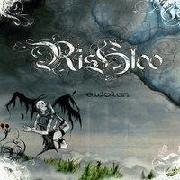
Eidolon anymore. The Seattle based quartet are notoriously devoid of any record label which the band almost proudly flaunts, self releasing and promoting virally each of their releases.
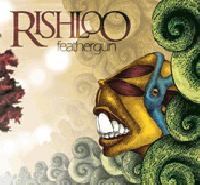
Feathergun is the band's third release and a milestone in their career. Two years ago Rishloo broke through to the masses with their darkened progressive art rock album
Eidolon, garnishing nearly unanimous critical praise for being a hard focused display of musicianship and a staple in the genre. Although that praise did come with a cost, many critics pigeonholed the band, comparing them to the likes of Tool, Dredg and Fair to Midland, claiming Rishloo held too tightly to their influences.
Feathergun aims and shoots down these claims swiftly, brightly showing a band who have come into their own.
From the moment Andrew Mailloux sings out the first lyric "Where are you?/I'm lost upon this boulevard," one can tell this isn't the same Rishloo from two years ago. The same fuzzy delay drenched guitar lines are present, and Mailloux's soaring voice is still signing out thought provoking lyrics, but something is different; everything sounds more peaceful. It may be the simple drum beat Jesse Smith pounds out, or the ethereal guitar line David Gillet gently strums in the soothing verses, or maybe it is Mailloux's ever raising voice that makes the music feel so weightless. In reality it is a combination of all of these things that make Rishloo sound like Rishloo and sets them apart from their previous work and their peers. Still the highlight of the band is Mailloux's vocals which can go from a high falsetto similar to Gavin Hayes of Dredg and down to a growling roar recalling Maynard James Keenan. On
Feathergun the former is present most of the time, however there are still screaming moments of "*** you you fool!" to be had here. 'Scissorlips' and 'Turning Sheep Into Goats' are the most aggressive songs on the album, both featuring an enraged chorus with sustained yells that will send shivers down ones spine. Centerpiece and lead single 'Downhill' is a clear highlight of the album. Clocking in as the longest song on the album at a massive eight minutes, the track stays interesting the whole way through. The track starts off with a short clean guitar line giving way to a galloping blues riff. A distinct vocal melody follows the bluesy riff until the song comes to a halt and a beautiful piano interlude waves over the song. Gillet enters with a Pink Floyd-esque guitar solo as the vocals return bursting the track back to life. 'Downhill' sets itself apart from the other songs by progressing naturally within itself. The title track 'Feathergun in the Garden of Sun' follows up 'Downhill' perfectly, sticking to the same relentless progression. "I'm seeing bright lights in between the knife fights/I've seen it all! I've seen it all!," yells out Mailloux in the song's brilliant first chorus. The song twists and turns multiple times before coming to an epic crescendo that makes it another stand out track.
Had there been more tracks like 'Downhill' and 'Feathergun in the Garden of Sun'
Feathergun could have been a knockout. Unfortunately songs like 'Keyhole in the Sky,' Diamond Eyes' and 'Weevil Bride' are nothing more than typical alternative rock dreamy mini-ballads, all using a slow tempo and focusing on Mailloux's vocals. 'Systematomic' and 'River of Glass' bleed in from the previous tracks and end up being nearly indecipherable from them. Although these problems exist, all of the songs are well above average.
Feathergun also presents some other minor issues. While the vocals are the highlight of the band and the album, to some the vocals may become tiresome after a full hour of hearing them. On
Eidolon the band used short instrumental tracks to break up the lengthy album and give the listener a breather, but on
Feathergun the only break is a minute long electronic ambience known as 'Dreamcatcher.' The production pushes the vocals and lead guitar as close to the front as possible, consequently throwing the rhythm section to the back. Sean Rydquist's bass is practically inaudible and the drumming is almost too simple for its own good. The length of the album is another hurdle that one may have to leap to fully enjoy
Feathergun. At an hour long the album is a large pill to swallow, but with the lack of standout tracks it is almost necessary to listen to as a whole. These issues could come off as pros for some however.
Defining what Rishloo is after three records is still a daunting task. On
Feathergun one sees a band coming into their own and defining a signature sound for themselves. A peaceful mixture of alternative rock and progressive would be a fair categorization for Rishloo, but still does not do the band justice. As of the time of this writing Rishloo is still an unsigned act.
Feathergun may or may not change that, but from the performance shown on this album the band did not take that into consideration while writing this album. To put it in context, the band have yet to write a 'Schism' or 'Sober.' Soaring vocals and colorful guitar lines paint the palette that is
Feathergun crafting a beautiful picture of modern alternative art rock. Rishloo may not have trumped their previous effort with
Feathergun, but what they did do is present themselves as who they are.