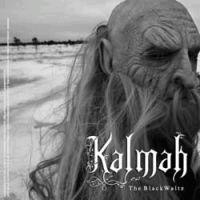
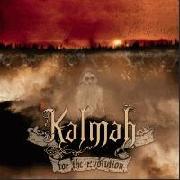
Review Summary: Kalmah died and was reborn with this disk; they're still distinctly Kalmah, but their focus, sound, strengths, and perhaps even sub-genre have shifted.
(For those unfamiliar with Kalmah): they are a Finnish melodic death metal band with a penchant for high velocity, high density, high technicality, and strong melody. Prior to this release they were significantly different, which much of this review focuses on. They have always had absolutely impeccable technicality, and powerful, present melodies, though prior to this album the melodies and song structures were less coherent. Like some other melodic death metal bands (melodeath flag-bearers Children of Bodom, folk metallers Ensiferum, and Raintime, to name a few similarly afflicted), they are often described as 'extreme power metal'. While Kalmah may contain some power metal influences, power metal is far from their main style or influence, and this is probably not the best label. They seem (like other bands) to have fallen into the uninformed tendency to label any metal with keyboards as power metal. On the topic, the keys are one of Kalmah's most distinguishing features, and both his technical and melodic work is top-notch. Keyboard solos (generally dueling the guitar solos, but sometimes harmonizing with them) are found throughout as well and add greatly to Kalmah's music. They have some significant thrash influences, as well as a decent amount of neoclassical influences, and occasionally incorporate Scandinavian folk. Yet this also lives up to the term 'death metal', as it's on the more extreme side of the melodeath spectrum, not afraid to incorporate blastbeats or breakneck tempos. If technicality, melody, and brutality are values of yours, then Kalmah is definitively a band to put on your radar.
Well, from the first dark, crunchy guitar riff, it's obvious that that this isn't a typical Kalmah album. One of the most standout (and very probably the most controversial) changes lies in the vocal style, which have changed from phlegm-drenched black metal shrieks to low-register "cookie monster" death growls. I'm not a fan of the new vocals (take the terribly under-melodic vocal intro to "Time Takes Us All", for example), but I wasn't a huge fan of the old ones either, so this isn't a deal-breaking issue for me. Eventually I got used to the old ones, but they were very grating for quite a while. The quality and creativity haven't really changed; they've simply switched ends of the spectrum, so this issue really comes down to personal preference. However, a lot more than the vocals changed here.
Kalmah dropped most (all?) of their power metal and black metal influences in this album, and adapted to more firmly melo-death territory. The tempos have slowed a bit, and the guitar work has (for the most part; some of their old guitar style remains) converted to a heavier, more riff-based format. One plus is that the bass is given much more room to shine and a much more audible mix. This, along with vastly improved drumming, which incorporates much more rhythmic variety (especially breaks), give the band a much deeper, darker, more developed sound than that of previous recordings. Finally, the production has vastly improved to boot.
The guitar technicality seems to me to be at a similar level to old Kalmah during the meat of the songs, though the slower tempos and focus on melody may subtract a bit. The rhythm guitar seems to have improved significantly and is much more prominent here, though the lead guitar is a bit less frequently present than old Kalmah. Fortunately the soloing is at least on par with their previous work with regards to both keys and guitar IMO. Unfortunately, the keys sometimes step back a bit in comparison to before (even in mix volume), providing atmosphere and accents more often than the blistering polymelodic work so prevalent before. This is very much a guitar-driven and guitar-focused album. The melodies on this album are excellent and far more appreciable than before, though (to my personal disappointment) most neoclassical elements have been dropped in favor of greater focus on Kalmah's vaguely folkish "swamp" feel/theme.
In short, Kalmah died and was reborn with this disk; they're still distinctly Kalmah, but their focus, sound, strengths, and perhaps even sub-genre have shifted. Both more melodic and more rhythmically interesting, yet less keyboard-centric and a bit slower, they became a much deeper, darker, and more unified band in my opinion equally good while vastly different.