Review Summary: For the first time, Porcupine Tree tread water.
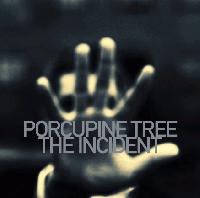
Steven Wilson is not a man without ambition. Love him or hate him, he is one of the most prolific men currently working, and constantly gaining listeners. While Blackfield, No Man, his work as a producer for bands such as Opeth, and his solo career may all fly under the radar, his main gig makes up for it. Porcupine Tree is a rare success in the world of progressive music, constantly changing their approach, yet growing their audience. With The Incident, their ninth album, the band is trying to take yet another step towards fame, with their most challenging work yet.
Wilson is a man of many influences, turning out music as indebted to 90's britpop as 70's prog, as much percussive metal as psychedelic noise. While he has played with all these sounds on previous Porcupine Tree records, never before has it all been intertwined in a massive conceptual piece. The first disc of the album is the fifty-five minute title track, divided into sections for less invested listeners. The second disc is composed of four stand-alone compositions, added in for reasons that have not been made clear.
The concept piece opens with a slow, foreboding opening, full of clashing chords and drama. What is missing, evident from the transition into the very first full song of the cycle, is a lack of cohesion. The track is supposedly one song, but feels like a dozen stitched together to feel more important. Themes don't recur, the soundscape changes on a dime, and the overall mood wavers as each song passes by. The interludes are particularly frustrating, for multiple reasons. Most are useless pieces, offering very little in the way of melody or context, serving to bloat the running time instead of advance the album. Others, like "Great Expectations", sound like unfinished sketches of a possibly great song.
With the actual songs on the album, Porcupine Tree is not trying to reinvent themselves, merely bring back some of the elements that they have lost along the way. "The Blind House" is a laid-back song that almost sounds like a rewrite of Deadwing, and several other sections sound as though they came from the recording sessions for that album. The eponymous section is chief among these, with a riff reminiscent of "Open Car". Wilson brings back some of the trippy, 70's influences, dotting songs with ambiance and electronic flourishes. These do little to add to the character of the songs.
The album works best when it is reflective, as the acoustic "Time Flies" and closer "I Drive The Hearse" are stunningly brilliant compositions. "Time Flies" is the heart and soul of the record, an eleven minute journey through stuttering acoustic guitars, a pulsing riff, and a typical Wilson melody. "I Drive The Hearse" will get less attention, but is the most accomplished song Wilson has written in years. A somber piece, the song's acoustic underpinnings support the tender yet gorgeous melody. Not since "Trains", the band's calling card, has Wilson written a song with this level of immediacy. That it closes the album is fitting, as no other song found here can dare follow it.
Unfortunately, there is still a second disc to go, with four songs unrelated to the concept. "Flicker" is typical PT song, while "Bonnie The Cat" is complete filler. "Black Dahlia" is filled with strings, a slide guitar solo, and a nice melody from Wilson. "Remember Me Lover" is another strong composition, feeling like an update of "Halo". What this second disc does is drive home the point that when the band is writing songs, they can create very good music, but when they lose themselves in the excess of progressiveness, they struggle mightily.
The Incident is trying to be something above and beyond the rest of the Porcupine Tree discography, but the attempt falls hollow. It has aspects of every record the band has made, but never fuses them together into an identity of its own. Bits and pieces are wonderful, but the whole struggles. This is no Deadwing or In Absentia, and while it will bring in even more new fans, it will never be the reason the band is remembered.