Review Summary: Sonic Youth's moodiest album.
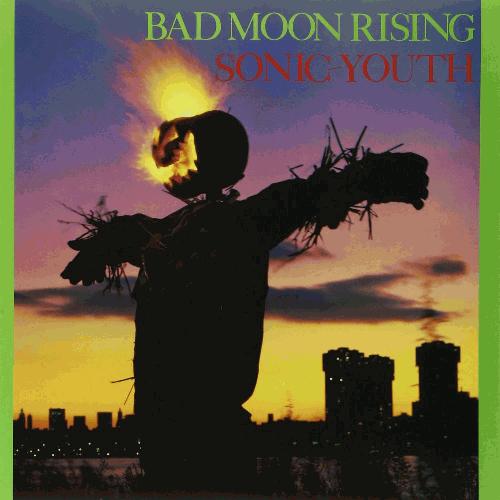
When Sonic Youth released their second full-length, titled
Bad Moon Rising, their music was rather far away sonically (no pun intended) from the aspects that made their best albums--
Daydream Nation,
EVOL--classics. There isn’t the more melodic influences nor was there the more subdued, calmer sound of these more widely acclaimed albums in
Bad Moon Rising, instead, there’s bucket loads of noise and chaos and songs that derive heavy influence from avant-garde composers like Rhys Chatham and Glenn Branca. Considering the type of conditions the members of the band were living in--apartments that were mostly inhabited by violent junkies as well as living in a constant state of poverty--it seems more
right that the band’s music is as frightening and out-there as NYC was during those times.
It should come as no surprise then that
Bad Moon Rising is insufferably gloomy and unforgiving when examining its background. Songs examine fun lyrical topics such as insanity and Charles Manson, and the music raptly matches this poetic focus. Sonic Youth’s songs have always been characterized by their abstract structure as well as containing bucket loads of feedback, but this batch of tunes take these extremes to new levels. Songs like “Society is a Hole” and “Ghost Bitch” are creepily emotionless and cacophonous, and push punk’s limits. It wasn't revolutionary and still isn't today to do away with melody and structure, but no one has seemed to have a mastery of this like Sonic Youth, and
Bad Moon Rising proves this. However, since nearly all tracks besides “Brave Men Run” and the excellent Lydia Lunch-assisted closer “Death Valley ‘69” are decidedly experimental and ominous, most of
Bad Moon Rising plays out like a rather unremarkable haze of noise and raucous vocals provided by Thurston Moore and Kim Gordon. Unfortunately, this makes
Bad Moon Rising rather forgettable, with really only “Death Valley ‘69” making any sort of actual impact.
Despite this,
Bad Moon Rising still deserves a listen if you’re starting to get into this band’s colorful discography. It’s much more disturbing and forbidding than the rest of Sonic Youth’s albums, and it’s also one of the more classically-infused albums Sonic Youth has ever produced. It isn’t perfect, hell, it isn’t even really that good, but it’s at least
different. And that deserves some props. Right?