Review Summary: Wes Borland vs. Iggy Pop: Clash of the Late Album Oddness
I've been a huge Wes Borland fan since Limp Bizkit's "Three Dollar Bill, Yall$" first crossed my paths. While my fourteen-year-old brain enjoyed, then grew out of Fred Durst's whining, I still spin the album from time to time to hear the noise on the middle tracks. I thought later, after hearing the weak guitars and placid writing on the follow up albums, that Borland should go solo. My then sixteen year-old brain conjured images of Ween, Nine Inch Nails, and Mike Patton.
Well, the reality is a little different.
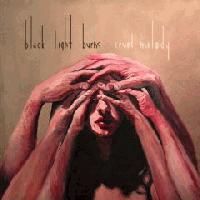
On "Cruel Melody," Borland goes for a few different ideas. First, and most obvious, is Trent Reznor's huge influence. Having Danny Lohner help out in the studio may also be contributing to this. The first few tracks, skipping "Mesopotamia" for a moment, seem like lifts from "The Downward Spiral" as played by a live rock group without a solid leader. The beauty of NIN is that Reznor rules the band with an iron fist, and you hear his singular vision both live and in the studio. Borland seems more content to allow his band to follow in these footsteps.
However, the second major influence that strikes me is Iggy Pop and the Stooges, specifically "Fun House." Both start out hard and poppy within their respective genres, but then move on to divergent sounds and ideas. The Stooges were highly influenced by free jazz, and that came out heavily on side B of "Fun House." On "Cruel Melody," Nine Inch Nails falls by the wayside, and in comes the trippy, weird sounds that Borland must have in his head all the time.
Without this change, "Cruel Melody" would end up a strong first outing, notable for good guitars and bad lyrics ("Now i'm burning alive, just like you." Come on, Wes!). With tracks like "New Hunger" and "I Am Where It Takes Me," however, this album shows a great place for Borland to go towards. Experimental, dark, and above all, interesting stuff.
Now, go back and listen to "Mesopotamia." Next to "Animal" and "Lie" it comes across as a punky throw-off designed to refute the NIN comparisons, but it is a melodic stoner-rock raveup in context of the end of the album.
With a little work on the lyrics, especially the Bizkit-like misogyny on "Animal" and "4 Walls" would go far in aiding Borland in his musical quest; remember that this is first album as a singer beyond the goofy *** on "Duke Lion Fights the Terror" from his short-lived BigdumbFace project. Take it easy on his lyric-writing chops. Otherwise a great start, with much hope for the future.