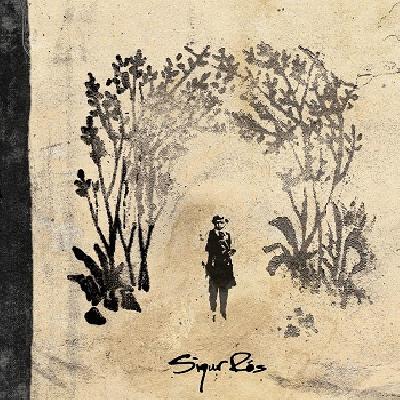
Post-rock may be one of the most derivative of terms when it comes to music classification. Apart from the fact that most bands that play this particular style of music seem to be more instrumentally focused than vocally or guitar-driven, there is no common denominator as to what is really post-rock and what isn't, as a whole. Nevertheless, there are some bands that are universally agreed on to belong to this oft misleadingly-named genre, and one of them is the Icelandic foursome named Sigur Rós.
After storming onto the world platform with their second album Agætis Byrjun and the aptly titled (), expectations were high in the post-rock camp. The band's music had been extensively used for film scores due to the ambient nature and the... well, atmosphere that the band tends to create with their albums. Would Takk deliver on its promise? The band of course knew the only correct answer, which was, obviously, a wholehearted yes.
Takk is every bit as imaginative and unforceful as its predecessors. Again the strings, the E-bow, the piano tinkling, and Jonsi's lush falsetto are used to a great extent, going for the soundscape effect rather than a big punch in the face. Opener Takk... sets the mood already by being a 2 minute ambient intro, leading into one of the high points of the album, Glósóli. The lush, soft tingling atmosphere of the song works extremely well with the well chosen instrumentation, and once the song starts to shift into high gear with a deliciously well-placed crescendo, you're sucked into the album like a water in a drainpipe.
Of note is also the linguistic element of the band. When Jónsi isn't using his already completely unintelligble native tongue of Icelandic (trying to read it gives me headaches), he goes into some kind of Gobbledegook language that the band made up themselves called Hopelandic (Vonlenska in Icelandic.) This isn't so much a language as it is Jonsi crooning in falsetto however: again it is a sign of the post-rock tendency to use instruments as a texture and not as a method to bash it into your face.
This subtlety is what makes this album what it is, therefore. Sæglopur is a beautifully subtle track, from the beginning piano moments to the full-band climax around the middle, and immediately after starting to float off into some Icelandic dream world. Hoppipolla comes closest to actually rocking out, but even when Sigur Ros abandon subtlety for force it never becomes overbearing or brute: everything about this album is slick and smooth and inoffensive.
This album therefore remains inpalatable and saccharine for people who have to endure some kind of catchiness, energy, or plain out vigour in their music. Everyone else who is open-minded, textural and can appreciate the layered, atmospheric and musical approach to their job, this album is for you. Sigur Ros have delivered once again on their promise. Takk, guys. Takk.