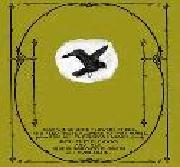
Whenever I listen to this album I get taken away. Not physically, but emotionally and mentally, which is far more appealing and effective for creating a learning experience, or merely just taking your transportation in and absorbing it. Whenever I listen to this, I get transported to an icy, empty, cold and desolate plane of whiteness and purity. In the middle is a massive abandoned ship sunk midway between the ice. The white trees shimmer from the frost that has laid upon them for eons. The birds sing the song of eternal consent. Everything is so pure and unfazed by the modern world that it seems surreal, beautiful and frightening at the same time.
Perhaps this is what we are supposed to understand from this album. Maybe A Silver Mt. Zion are trying to help create an atmosphere for the listener, rather than a box in which most mortal bands set up around you. Rather than taking a lyrical approach to help make the experience memorable and emotionally involving for the listener, A Silver Mt. Zion use the poetic translations that exist in violins, cellos, heavily tremeloed guitars and bursts of empty silences to evoke sadness, frustration, confusion and, to be blunt, intense and heartfelt thoughts in the listener. This in itself sets up a more vulnerable position for the listener to interpret the music.
Perhaps the visions that I see from this album come directly from the music. Surely, not everyone is going to have the same feelings of this as I do, but such is the genius of this type of music. Whether the violins are powerfully and confidently striking through a dark and bleak cloud of noises of inconceivable beauty or it's the epic and long stretches of a slow, dreary and mourning effect brought to life by merely a trio of strings and a guitar that sounds like it's been hole-punched a few times. Both are equally beautiful and powerful, no matter how simplistic they might appear to be. Things seem to stand still for this album, though in fact they are moving so vividly it's best to take the separate moments of sheer power and grace in following the order in which it is prepared on the album, one track at a time from the beginning.
One might describe this as "progressive", and it's not hard to see why. Gargantuan songs, epically slow and tense and filled with so many climaxes that it's hard to keep track. But the separate formula that ASMZ follow, residing in their overall values and focus in orchestrations rather than "guitar rock", is overall more effective. In their most epic song, the harrowing ten-minute slow-burner "Could've Moved Mountains...", things don't go over easy due to it's length, but if you're willing to brave the elements of time, this is one of the most moving pieces of music you could listen to; sad and thought provoking, while remaining somewhat ambient in the first place. "Built Than Burnt [Hurrah! Hurrah!]” takes things into a different context, things pick up speed gradually until things burst into an epic and glorious explosion of strings and various ambient noises on the fast-paced "Take These Hands And Throw Them In The River", featuring Efrim's airy vocals which are barely acceptable when stood up against such epic musical scenery. Completely moving nevertheless.
On the final track, the slightly poppy and happy "The Triumph Of Our Tired Eyes", Efrim sings that "musicians are cowards". A bold statement, though not necessarily false. Perhaps what Efrim is trying to get across is that the anonymity of the musician is an alluring and intriguing one, but underneath all the mystery one might find a fraud, a simple man with little more than a strong desire to write music. But one thing I can count on is that A Silver Mt. Zion, and all their allies in the music business for that matter, are incredibly brave to release such an album and still be labelled "rock". One thing is for sure, though, is that such a word is not suiting to such music. Powerful and moving, orchestral and more classical than anything related to rock music, and, essentially, more intensely focused and ethereal. I've never heard an album that can contain little more than four instruments (though they are less than conventional) and still be as genius as a parade of instruments and sounds. A classic.