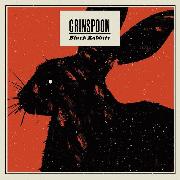
Review Summary: The band is free to go, no detention today
In the opinion of those appreciating Grinspoon, their third LP
New Detention is the last ‘true’ album. The Australian band ‘sold out’ on subsequent releases and started recording music for mainstream consumption and radio play. That is, they committed the unthinkable and attempted to become popular. Well, let’s try and get to the bottom of this.
So, what do we see on
New Detention? Are there any differences compared to the earlier output?
First of all, technical changes are noticeable from the get-go. The recording sounds much cleaner, more precise and saturated. Probably, these kinds of improvements can be called ‘commercial’. Nevertheless, the previous two albums felt murkier and lacked punch, which definitely could have added one more point for the band. The only thing you might be displeased with is that the bass is barely audible behind the pummeling guitar riffs, whereas on
Guide to Better Living and
Easy Joe Hansen’s lines were a lot more noticeable and injected an additional dose of energy into the overall proceedings.
Next, let’s talk about the songs on
New Detention. Not much has changed here since the previous releases. The band still operates in alternative metal (on more than a half of the cuts), although now some of the riffs demonstrate a nu-metal influence, a popular genre at the moment of recording. Yet again we see an occasional punkish attitude on a few songs (
Boltcutter,
1000 Miles). So, the primary set of expressive means remained intact and similar to what we see on, say,
Easy.
Although, it should be noted that the band obviously devoted more time to the choruses in an attempt to supply them with a heavy dose of hooks. (And they no longer sing about thrice dead cats and American party bombs, replacing them with something simpler and, probably, more relatable.) But it would be as fair to state that this aspect was evident on their other albums as well. The tracks followed (and still do) a common and easily digestible structure, and the “meat” on those bones involved heavy riffs and catchy choruses. Due to this the claims of the band selling out are mostly hasty.
But they are not devoid of certain grounds, let’s not deny it. All of the concerns are related to the three tracks:
Chemical Heart and
No Reason, both released as singles, and the closing
Hate. Certainly, these cuts do not fall in the same line and seem to be an obvious attempt to get on the radio and reach out to a wider audience. Out of these three,
Chemical Heart feels like the more successful and natural one, while the pop-punkish
No Reason and orchestral
Hate come off as forced (with the latter sounding like a poor-man’s
Smashing Pumpkins). On the other hand, you can always skip any or all of them.
As a result, we still see the same old Grinspoon, even though their sound is more polished and fuller. The band maintains their level, and the music they produce is as lively and catchy as ever, despite their attempt to earn more cash.