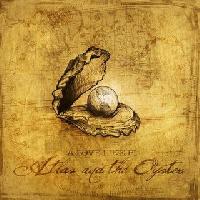
I've been waiting for an album to rival the originality of Envy on the Coast’s Lucy Gray for almost two years now; thanks to A Love Like Pi’s debut album Atlas and the Oyster, I can finally rest easy.
Love is like pi: irrational, mysterious, eternal. In the same way, the band's music is a lot like love, as well: unpredictable, raw, and something that should be valued.
The opening song, "Atlas," initially gives listeners the impression they're in for some weird, electro-indie album, chock full of spacey vocals. Think again - the song slowly builds up to solid indie-rock sprinkled with plenty of gang vocals and reverb. The song ends with a conversation between two computer-generated voices, a man and a woman. Although synthetic, the voices carry a hint of human sadness and weight.
"Innocent Man," a catchier dance track, stands out for its frequent, sudden tempo changes. Choppy changes occasionally sacrifice fluidity, but at the same time, A Love Like Pi make each section fit together in a way that allows the listener to enjoy each song as a whole.
More of the remaining songs on the album teeter between guitar-driven rock tracks like "Young Men" to electro-pop anthems like "Oh, Lolita." The track "A Merry Cain" wins the award for combining the most genres into a single song. The track starts out with an acoustic City and Colour feel with bare-bones guitar and harmonica. Indie rock patches, bluesy bass lines, a violin and even some horns soon permeate through "A Merry Cain" before a quiet, smooth end.
Without the computer-generated vocal introduction to the second half of the album (“Thank you for listening to the Atlas / This is the Oyster.”), you wouldn't notice the change between the two album parts. "The Oyster," much like "Innocent Man," has plenty of computer-generated falsetto harmonies in a trendy, upbeat package. As I said before, think Forever the Sickest Kids.
The standout track for the Oyster half of the album is "Honesty." The track is insanely infectious with notably big drums, even bigger buildups and a scandalous, angry tone that relatable and catchy.
Atlas and the Oyster ends with "The Body," an over-Auto-Tuned track. The nod to Hellogoodbye wasn't exactly the best track to go out on; a stripped-down instrumental song such as this would've been the perfect time for Lief Liebmann to exercise his real vocal talents. Another conversation between the man and woman may have also kept the end of the album more close to its overall pattern of beauty, complexity, and sadness.
A Love Like Pi should be respected - if not for their actual music, then at least for the risks they take in threading together a plethora of genres and music techniques. The band maintains a consistent versatility that keeps a listener's ears perked for the next avant-garde sound.




 The "love is like pi" quote.
