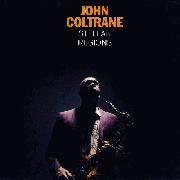
Album Rating: 4.5
This has a review already but this one blew me away and I feel like it needs WAY more attention so wanted to get my thoughts out. First jazz review so any pointers would be cool!
Actually most of his albums blow me away. Dude was an absolute genius.
|
| |
Listen to Ornette Coleman and Sun Ra if you like free, Hawks.
|
| |
Album Rating: 4.5
I jammed The Shape of Jazz to come and it honestly didn't do much for me but I gotta spend more time with it for sure. About to give Ornette! a shot right now.
|
| |
First Hawks jazz review lets go. Pos’d
Does anybody in the world have more posthumous releases than Coltrane? I had no idea he died in 67, thats wild. Gonna have to peep this one.
|
| |
Album Rating: 4.5
Thanks buddy!! I plan on reviewing lots more jazz for sure. Coltrane da GOAT!!!
|
| |
Album Rating: 4.0
Nice. Coltrane was the man! This if one of his most recognised works that I am yet to hear I think.
And yeah the guy made so much incredible music in such a relatively short timeframe (a lot released posthumously). Extraordinary what he was able to achieve and there’s loads I still need to check (including this)
|
| |
Album Rating: 4.5
Jam this for sure Demon! Coltrane at his most experimental from what I've heard. Title track has to be one of his best moments.
|
| |
Album Rating: 4.0
I love Meditations and Ascension. Om is completely bonkers spiritual / free jazz. I’ll be interested to compare this one!
|
| |
definitely need to hear this as well
edit: lol
|
| |
Album Rating: 4.5
I just 5'd Meditations. Incredible fucking album. Om was good but I def gotta jam it some more. This one was very immediate for me. Ascension is on the jam list for today!
|
| |
seeing as i have absolutely no memory of this (apparently listened last year december) due for a rejam!
|
| |
Album Rating: 4.5
LMAO RYUS ILY!!!
|
| |
< 3
truly one of the most tragic deaths in music
|
| |
Album Rating: 4.5
Indeed. Would have loved to see the direction he went in had he lived. Guy went way before his time.
|
| |
Nice rev. Coltrane is the GoAT 🥇
|
| |
Album Rating: 4.5
Thanks buddy!!
|
| |
Album Rating: 4.0
yeah, good call Hawks. This one is excellent. I love the spiritual side of his sound
|
| |
Album Rating: 4.5
Fuck yeah Demon bro! Glad you enjoy it!
|
| |
Album Rating: 4.0
Great record and great review breh have a pos
|
| |
Album Rating: 4.5
Thanks Row my man! :]
|
| |
|
|