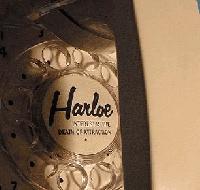
Review Summary: "Interest is the Death of Attraction" should be enjoyed for what it is: a 35:00 post-hardcore album with the hooks and heaviness to leave you wishing they'd stayed together and progressed even further.
One of the harder things for me to cope with in my quest for ultimate musical enlightenment is becoming so invested in a relatively obscure band with copious amounts of potential, only to watch the band go through hardship after hardship until they finally break up. Each of their live performances you attend noticeably improves, along with their material and song-writing, and you figure it's only a hot minute until they grab the attention of a record label who believes they show enough promise to endorse; unfortunately, this is the case for Harloe. To my immense disappointment, they split shortly after releasing their independent debut,
Interest is the Death of Attraction. That being said, this album is a demonstration that this band was no fluke. They had a vast amount of unrealized potential that was sure to be further developed had they continued to write songs together. Yes, this is a considerably raw release in terms of production value and overall songwriting quality, but on that same token it's hard to ignore the moments when this band suceeds in showcasing a breath of fresh air in a somewhat stale genre.
There are certain aspects of this album that are sure to instantly polarize the audience upon first listen. Frontman Brett Barley, all things considered, has what can only be described as a unique scream. High-pitched and nasally, it's definitely not going to be for everyone. This is readily apparent within the first 5 seconds of the opening song,
Hey Minke, You're So Fine, where he wastes no time in demonstrating to the audience what's in store for them vocally. Shortly thereafter, the secret weapon of the band is introduced: Connor Dworschak. Try as hard as you possibly might, it is impossible to hate his voice. He has no trouble at all belting out the catchiest melodies of the album, some of them sure to be stuck in the listeners' heads for years to come (read: probably not years, but still). His voice exudes a unique sense of emotion present in every single note and is a welcome contrast to the sometimes monotonously grating vocals of Barley. These moments when Dworschak's infectious hooks gracefully soar over the aggressive, in-your-face instrumentation of the remainder of the band are what listeners will undoubtedly be coming back for, should they be enough to compensate for the sometimes lackluster performances of the remainder of the band. One of the most impressive performances by Dworschak is exhibited in one of the album highlights,
Number Four, where he passionately croons, "when dead to man/she made wings with the palms of her hands" atop an aggressive double-bass fill, until the entire band joins in repeating the line as the song fades out into musical oblivion...err, the song ends.
As far as the instrumentation goes, you're going to find nothing too ground-breaking. The guitars are more than competant for the style of music being created, but very few will be blown away. Guitarists Dustin Boyajian and Connor Dworschak do a sufficient job of introducing some pleasant riffs into the mix at points, but it's worth noting their occasional tendencies to resort to mindless chugging at points. Some of their more creative riffing is demonstrated in another of the albums highlights,
I Had the Money Shot, Then She Went Broke. At one point the two axemen do a great job of complementing each other, dancing all over the fretboard as Dworschak emotionally wails, "nothing but hell/ can save us now." Not much can really be said regarding the bass, as the majority of the basslines get lost in the muddled production value plaguing the entire album. The drumming throughout is definitely above average, conveying the proper mood to complement Barley's angsty lyricism and at times providing a very appropriate sense of pace and urgency to the songs.
It really is a shame to see a band's devotion to a project flicker out just as they were coming into their own. Such is the case for Harloe.
Interest is the Death of Attraction is a testament to the obvious potential this band had, with the musical highpoints, emotional climaxes, and wonderful cleans doing a more than acceptable job of compensating for the sometimes bland instrumentation riddled throughout some of the songs. We'll probably never hear another Harloe song again, so enjoy this album for what it is: a 35 minute post-hardcore album that does a superb job in keeping your attention for the entirety of its short run-time, provided you give it the chance it deserves.