Review Summary: Glyne extends from previous themes shown in his other albums and presents the listener with consistent ideas and a better production level.
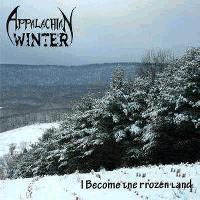
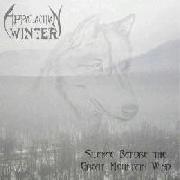
While the main contextual ideas are the same there are some differences that can be noticed when looking album to album. What are first noticed are the better production values and the improvement in clean vocal passages especially when compared to the debut release ‘Silence Before the Great Mountain Wind’ where listeners would find respectively; a raw production and the occasional strained clean vocals. This time around and pleasing on the ears both of those issues have been removed and in turn benefit the listener. While lyrically speaking the context is very much the same as previous efforts i.e. being nature and the harshness of winter, with focus on Pennsylvania where Glyne both lives and draws inspiration from. There are other themes that shine through the lyrical themes, mainly with metaphors that match the imagery of cold or winter. Expectantly those themes include sorrow, progress and eventual death.
Positively where musicianship is concerned, listeners can expect a great effort from Glyne on all levels throughout the length of the album. Making use of a better recording process gives a better end result especially when clarity becomes an issue when creating an improved product. To make a product better, each separate component must be better and combined effectively. This for the most part appears to be the case. Especially considering that Glyne controls all the instruments himself and can musically create ideas the way he wants them.
There are times where talent becomes a rarity, and Glyne truly has become a rare breed in the metal genre. While some bands plague the listener with breakdown after breakdown his works in ‘I Become The Frozen Land’ show great amounts of flair and an intelligent writing style, which not only supports the main themes being portrayed over the length of the album but also maintains the listener. Some features that are clearly noticeable during the album include the ‘folk-ish’ instruments usually of a winded variety. These instruments also add to the tracks overall tone colour and thicken the texture at the same time. These warm and sometimes dark tones compliment the music perfectly. Also maintaining listeners is the use of ‘booming vocals’ and when this is layered on top of other sections, it brings out a more noticeable folk feel to the music.
Dynamics is used creatively within the albums tracks and a perfect example of this is found on ‘The Freezing Night Howls’ where dark chord progression build into a tempo that could be described as a ‘slow march’ , gaining volume over its progression before moving into some symphonic passages. The vocal efforts here match the mood being heard, and continue this increase in musical pressure. This helps feed the atmosphere especially when the texture is thickened by layering each component (i.e. double bass, chanting, and strings.) Other highlights include ‘Deep Within the Mountain Forest’ and title track ‘I Become the Frozen Land’. From these tracks alone, listeners can roughly gauge the context and quality of the rest of the album. As well as gain insight into Glyne’s contextual influences gained from the lyrical lines and obvious references to nature within songs. Not to mention get an idea of what Appalachian Winter actually sounds like.
When presented as a complete package there are many positives to look at. Gone are the whiny and strained cleans, as well as the slightly tinny production found on other records. While folk inspired themes are not everyone’s cup of tea, this is worth the look over and should be a welcome edition in many black metal libraries. For Glyne, cold does prove to be an emotion and one he uses to his advantage.