Review Summary: Foot stomps and SSRI's
It’s hard to point to a specific point of time that this type of indie folk music reached the mainstream consciousness, but it would be hard to argue that it’s not right around Mumford and Sons’ pinnacle achievement (and oft imitated) “Little Lion Man” landed in 2009. The track’s gradual build and energetic, stomping crescendo quickly became a hallmark of the genre. Other bands, such as The Lumineers, took this sound in a more pop-oriented direction, while Of Monsters & Men steered it toward thoughtful and critical acclaim. Eventually, the genre’s popularity waned, with its sound either drifting into the commercial territory of modern country or retreating to the more traditional roots of classic folk. Whether it was due to the lack of an audience or the drying of the well of new ideas, it wasn’t until Noah Kahan’s mega-hit “Stick Season” in 2022 that we saw the sound emerge again as a mainstream juggernaut.
That leads us to 2026’s
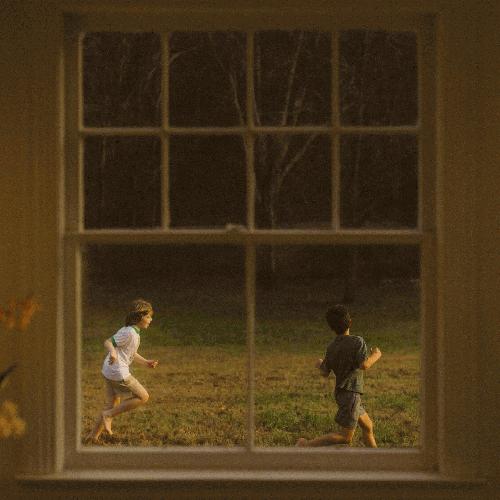
The Great Divide, an album positioned at a tenuous point in Kahan’s career. Following his meteoric rise to fame, Kahan faced the daunting challenge of living up to his own success. Interviews revealed an artist who was candid about the stress and pressure associated with maintaining his momentum and satisfying both his fans and himself. But it’s in that open and honest attitude that his latest thrives, if long-winded, and shows there’s just enough left to squeeze from this direction of folk pop.
Make no mistake, Noah Kahan is an extremely gifted songwriter. From start to finish (which is a slightly overwhelming 1 hour and 17 minutes), there’s not a single song where’d he seems lost or to have missed the mark on completing his ideas. Calling in for an assist from The National legend Aaron Dessner, lead track “End of August” starts somber, an ode to a changing of times and the seasonal depression that rides alongside it. It’s brilliant; methodical piano chords swell and the arrangement could spurn emotion from the toughest amongst us. Later, lead single and title track “The Great Divide” recalls contemporaries Mumford and Sons’ with a simple beginning and orchestral epiphany bridge, never losing it’s sing-a-long bones and presenting a dissonance with it’s more subdued and sad subject matter.
It’s there that Kahan separates himself the most from his contemporaries. His story telling is often stirring, sometimes tear-jerking, and emotionally resonant to a fault. Second single and album centerpiece “Porch Light” frames itself from his mother’s perspective, again building over it’s length, with the refrain of “And I’ll pray for you, be in pain for you, I’ll leave the porch light on” hitting on all emotional cylinders as she promises she’ll always be there for him even when things are so rapidly changing. “Heartbroken, each morning when it’s me that turns it off” then hits all the harder as you realize the permeating sadness of missing her son. On the stellar closer “Dan” we see a bit of contentment leak through, an ode to “my best friend Dan” and their ability to forget the world in each other’s presence. It’s those little moments Kahan wants to focus on as he ascends to fame, and one of the few times we see a small amount of happiness emerge in his sad boy schtick.
It’s in this unrelenting vulnerability that we’ve always found Kahan’s signature, and there’s no doubt that remains evident throughout
The Great Divide. Whether it’s about the guilt of leaving his home (ugly-cry inducing “All Them Horses”) or the depression of going back to his roots (excitingly raw and underproduced “Headed North”), he hits his mainstays. New ideas of guilt and pressure of becoming famous coexist too, as well as callbacks to the hopes of “getting better” that littered prior works in tracks like “Haircut”. The themes are different enough across the runtime, but ultimately the narrative tone wears. With an album this long and heavy, there’s something to be said for a little more brevity and room for the standout tracks to breathe.
Noah Kahan hits and often exceeds expectations with
The Great Divide. He solidifies himself as the preeminent songwriter of the day in folk and builds upon a late-blooming legacy in a way that is endearing, authentic, and genuine. It’s hard to say where he can go next with his sound, much like his predecessors, but if he can find acceptance in underdelivering quantity and living in the moments his music creates a little longer, he may just be able to pull off longevity. He’s got the talent for it.