Review Summary: "progressive" metal or "progressive metal"?
Recently, I read that Inside Out Music (the progressive rock/metal arm of longtime legendary metal label, Century Media) likes for their new signees to fit a certain mold when it comes to music, production value, image, music videos, and overall art direction. You don’t have to look much further than Caligula’s Horse, Haken, Leprous, and Wheel (VOLA as well, though not on Inside Out, surprisingly) to get an idea of what that mold might look like: progressive metal leaning instrumentals, with a clear focus on melody in the vocals, and mostly clean vocals with sparse harsh vocals sprinkled in for effect.
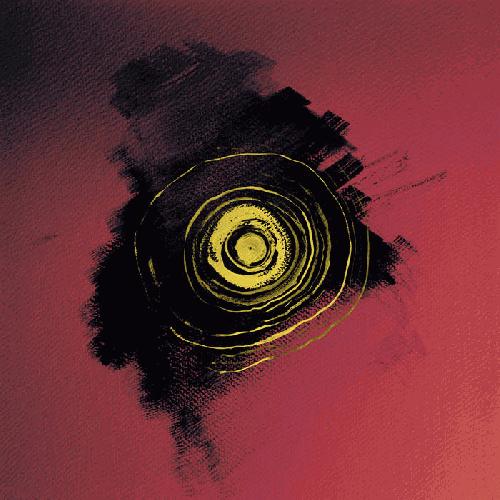
Enter Royal Sorrow. Now, a glance at their artist page on a streaming service might lead you to believe they are newcomers to the scene, but that is because their signing to Inside Out came with a name change, and their previous moniker was Edge of Haze. While I am not intimately familiar with their old material, I listened to enough of it to gather that this is not a band new to progressive metal, and (stop me if you’ve heard this before) they used to be a lot heavier, with a lot more use of harsh vocals. That provides some relevant context in my opinion, because otherwise I would be hard pressed to believe a band releasing their first album sounds this put together right out of the gate. To describe what Royal Sorrow sound like, I really don’t need to say much more than they sound like the bands mentioned above, for better or worse. Royal Sorrow take instrumentals that sound extremely reminiscent of what modern progressive metal has sounded like for the better part of a decade, with downtuned djent-like guitars, that at their heaviest recall VOLA’s heaviest moments, along with riffs and solos that would sound perfectly in place on the most recent Caligula’s Horse album. The vocals are where the comparison to their fellow Nordic band Leprous comes in. The vocals are anthemic, indulgent, and extremely clean and precise sounding, with a mix of belting while also using more head voice and falsetto through some of the softer passages. The harsh vocals are used sparingly and feel very well placed when they do come up. They are… fine, normal for this genre, and I don’t feel like they detract or add too much other than being nice releases at certain points during certain songs, like the end of Bloodflower and the title track, Innerdeeps, or the bridge of the single Give In.
So, if Royal Sorrow just sounds like a mash up of fellow bands or influences, what are they bringing to the table? Well, all is forgiven because the songs are incredibly well crafted and tight, with some of the best melodies I may have ever heard in this genre. Every single song has a chorus that will not take long to drill itself into your head, and their singer is delivering the lines magnificently, with the perfect balance of clean and grit in his clean delivery. Album centerpiece and highlight Bloodflower starts with a straightforward softer verse, with a galloping chorus that then leads into a clean bridge, and a cathartic ending, that releases into a layered scream over chugging guitars with a clean guitar lead soaring over the top of it all. This showcases that Royal Sorrow is at their best when they stretch the songs out a little and give the songs time to breathe, something that only happens on Bloodflower and Innerdeeps. It’s also worth noting that this album sounds immaculate. If you don’t like clean production, this isn’t for you. Everything is given perfect space and sound design is just as important as the instruments. You can look no further than first single Metrograve to see this, with its opening electronic flurry panning left and right to start the song, and each instrument given space as the song builds up to its explosive chorus.
This brand of progressive metal feels like it’s at a crossroads. Are these bands considered progressive metal because they are metal bands that have progressive tendencies, or has progressive metal turned into a genre in and of itself that is becoming predictable? Royal Sorrow on this album teeter a fine line with the latter, though they are saved on this release by superb songwriting, as well as great production and a vocal performance that at times carries somewhat generic instrumental performances. That’s enough for me to really enjoy this album, and if you like any of the above mentioned bands, I would guess you would too.