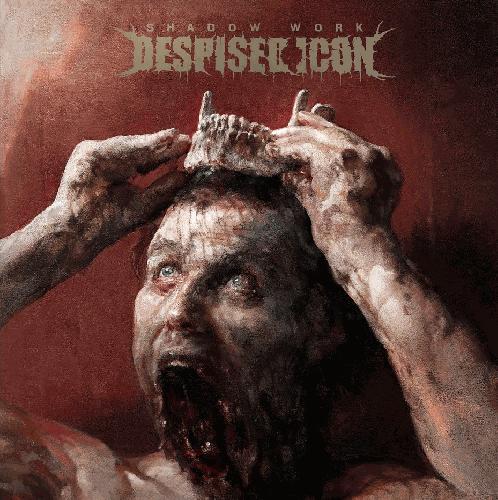
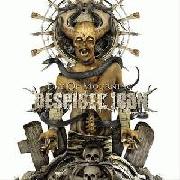
Review Summary: Despised Icon are once again back with a blast, and while the cover art is absolutely gruesome, the music itself offers considerably more than just that.
Six years have passed and here we are again, with Despised Icon showing no signs of slowing down. Back when they did their farewell show not long after releasing “Day of Mourning” and promptly disbanded, no one would probably have expected their comeback in 2016 with “Beast”. But what’s even more unexpected is that in 2025 the band has returned arguably stronger than ever, or at least at the very top of their game.
Cutting to the chase: stylistic variety is definitely the strongest point of “Shadow Work”, a continuation and extension of tendencies established on “Purgatory”. There are songs so metal they’d make you forget this was deathcore if not for the mandatory song-ending breakdown, there are downtempo punky ones, everything in between, plus continued experimentation with symphony and melody (without ever approaching sappy or vulnerable, of course – this is Despised Icon after all). In fact, it wouldn’t be an overstatement to say that this album is simultaneously more metal and more hardcore than any of their previous – the black-metally blast-beat laden sections are more extended than ever before, the gang shouts are used happily and liberally and punky two-step sections are not a rarity either. Stylistic whiplash is still somehow avoided, perhaps thanks to the two-man vocal core reminding us it’s always the same band. But moving from the monumental “Apparition” with its main riff built on god chords to the bro-bree chugfest “Reaper” might be in equal parts refreshing and jarring, depending on your view.
And yes, on the subject of these new quasi-symphonic influences - I’m sure many have wondered if the previous album’s „Moving On” would be a one-time deal or not, but it often starts like that for many bands – they try some new idea in one song and then they end up liking it so much that they start doing it more and more. The stint with symphony and melody, which Despised Icon had been steering clear of until “Purgatory”, this time extends to at least three songs, all of which being album highlights in my opinion, showcasing some of the highest compositional maturity the band have achieved thus far. The aforementioned “Apparition” is a definite highlight in this regard, as is “Death of an Artist”.
The overall feel of the music all around is much more modern and recent than ever before, due in large part to the production, which while keeping the punchy and crisp guitars the band is known for, combines it with a polished, modern edge – this is a matter of preference, some may view this as the band getting “tamed” or “domesticated”, while others probably won’t mind that much, especially since some of the songs aren’t any less heavy than their most crushing material to date.
The vocal department deserves its own paragraph this time, since Despised Icon have tried a lot of new things here. Once again (this would be the third time now?) following in the footsteps of the previous album, “Purgatory”, clean singing and pitched screams are now used, and in a few more places than last time too. I believe it’s Steve Marois doing them, but it’s a bit hard to tell. If it is, that speaks a lot to the versatility and continued growth of Steve as a vocalist. I doubt many people new to the band will be reading this review, but just in case - it’s worth mentioning that Steve holds the distinction of being THE man who has brought pig squeals to deathcore. It’s a hilarious thing, really – he was just a guy who loved brutal death metal and listened to bands like Devourment and simply thought it’d be nice to bring that vocal style to his own band. And it’s due to solely that one man’s decision at that time that many (though to be fair - far from all) deathcore bands thought pig squeals were supposed to be some kind of a mandatory, integral element to the genre and thus also started adopting them indiscriminately (especially jarring with the melodic death metal-influenced European bands). Anyhow, as pretty much the custodian of the deathcore pig squeal, he has every right to decide how much of it to use (and if at all) – this time around he entirely does away with inhaled squeals and instead settles on an exhaled “eee” growl in most songs (think Chris Barnes’ “eee” but much better executed), not unlike what he did on “Day of Mourning”, but pushed somewhat further. The sole exception would be the “bro-bree” track I mentioned earlier, “Reaper”, where the recent trend of weird and over-the-top vocal acrobatics is indulged in, assisted by not one but two guest vocalists. There Steve takes his “eee” growl to a much more whistly territory, closely reminiscent of his “The Ills of Modern Man”-era inhales. Still, the vocal choices on the album clearly give off “balancing act” vibes – wanting to preserve expressiveness and range, while maintaining accessibility for a wider audience. That, I feel, has succeeded.
So while some of the album feels a bit trend-chasey as far as deathcore is concerned (or to put it more sympathetically: “community-conscious”) and modernized perhaps just a tad too much to feel entirely authentic, that does not come at the cost of Despised Icon’s established identity, only expands on it. So if you’re down for some Despised Icon but modernized and enriched with the genre’s latest stylistic tropes, give this one a spin. These old ponies definitely have a lot of new tricks in ‘em.
3.7