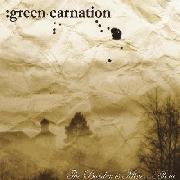
Review Summary: Prog-metal that delivers lavish, refined flavors; a sonic luxury best savored in restrained portions
It feels
ages ago since I last jammed Green Carnation, a band that presents a compelling fusion of doom metal heft and progressive rock’s more accessible grandeur, threaded with gothic sensibilities. My sole encounter, the remarkable
Light of Day, Day of Darkness, showcased a genre-blurring elegance that felt both heavy and distinctively refined. That album’s synthesis -harsh riffs softened by melodic complexity- left a lasting impression of originality within a familiar metal framework. Entering
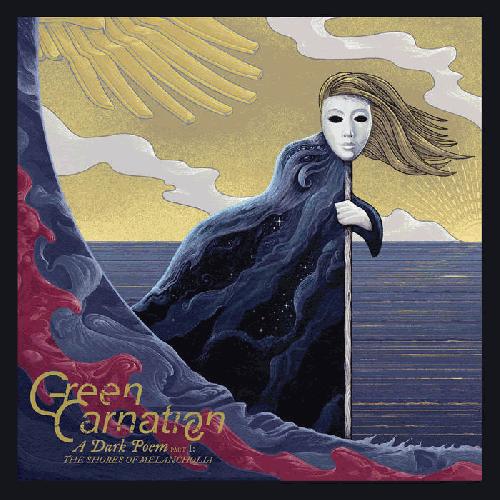
A Dark Poem Part I: The Shores of Melancholia, I approached with limited lore but open curiosity. This initial foray into a rumored trilogy marks a fresh, exploratory chapter, inviting renewed appreciation for the band’s evolving mood, atmosphere, and compositional daring.
Online critical reception labeled
Leaves of Yesteryear as more of a fully-fledged EP than an LP, now frames Green Carnation’s audacious resurgence. The Norwegian band initiates a trilogy with
The Shores of Melancholia, which is slated to conclude in 2026, signalling a deliberate, enduring project rather than a singular release. Drawing inspiration from Arthur Rimbaud’s Ophelia, the concept emphasizes melancholic mood over tragedy, guiding a refined artistic trajectory that harmonizes literary influence with musical ambition and contemporary listening sensibilities.
A touchstone album can bless a band with acclaim while burdening it with persistent comparison. Green Carnation has felt this weight since the years of
Light of Day, Day of Darkness, yet
Leaves of Yesteryear liberated them from expectations. Now, in 2025, their evolving, epic progressive metal voice confidently embraces that freedom.
On a Dark Poem, Part 1: The Shores of Melancholia marks a notable evolution from their earlier, darker prototypes to a refined progressive rock/metal expression. Since reforming in 2014, the band has maintained its distinctive identity while expanding into brighter sonic textures, yet without abandoning its gothic roots. The album offers meticulous, efficient song-craft, balancing complexity with listen-ability. Rather than dwelling in despair, it presents a luxurious palette of sounds that invites informed engagement. In this light, the record signals a confident redefinition of prog-doom, grounded in artistry and tasteful riffs.
The six-track record is positioned as a dynamic showcase for a progressive outfit adept at navigating death, black, and doom influences with a seamless, almost effortless fluency. The strengths highlighted include a formidable rhythm section characterized by relentless blast beats and robust grooves, as well as guitar work that is both substantive and imaginative. The guitars are meaty, adorned with the prog idiom’s signature trimming -sweeping strings and some Gilmore-isms on the leads- thereby signalling a fusion of weight and refinement that appeals to fans of complex, textured composition.
The opening tracks,
As Silence Took You and
In Your Paradise, showcase Tchort and his team’s compositional prowess: seven-minute pieces built on simple, charismatic riffs, complemented by compelling vocal lines from Kjetil Nordhus. With classic verse-chorus structures and seamless transitions, Green Carnation demonstrates polished craftsmanship and an effortless, engaging musical flow that defines the band as masters of their art.
The band’s strengths lie in fiery instrumentals, with nearly every track delivering spiraling, majestic guitar-work that cuts through with precision. When paired with a solid rhythm section, the album becomes a compact, exhilarating experience marked by variety. Its seamless flow -just like water- ensures a 40-minute duration passes unnoticed, testament to meticulous composition and cohesive writing.
Green Carnation’s latest oeuvre presents a nuanced blend of atmospheric metal with occasional forays into progressive and extreme metal terrains. The vocal performances function as a mixed bag: on certain tracks, they satisfy, yet on others they drift into below-average territory, marked by off-key moments and strained delivery. Despite these imperfections, the album’s standout track,
Me My Enemy, demonstrates the ensemble’s depth. It stands out as perhaps the strongest moment, integrating prog elements through an unusual main bass riff and jazzy harmonic touches, delivering a compelling musical and lyrical depth. Conversely, some front-line experimentation -such as the tremolo-picked riffs and the blackened death metal verses in
The Slave That You Are, featuring Grutle Kjellson- reveals a tension between extreme metal textures and melodic ambition. When the band ventures into death metal territory, the results are less effective, suggesting that their strength lies in brooding atmosphere, melodic, and progressive explorations rather than in pure extreme metal velocity. Overall, the discourse reflects a band comfortable at the margins, where mood and texture often triumph over brute force.
The album concludes with
The Shores Of Melancholia, its main riff evoking classic progressive metal-rock groups of old, and the ten-minute
Too Close to the Flame. Though perhaps rushed, these tracks preserve a tone of quality. Overall, the band feels comfortable and solid, delivering meticulous, well-rendered work. The collection stands as a well-executed example of melodic, atmospheric northern metal - slightly old-fashioned, yet soundly expressed.
To initiate a summation, I must admit, prog rock seldom occupies my rotation nowadays. Not out of contempt, but because aging curtails my tolerance for musical indulgence. I prize concise, lean songwriting above all when I critique with a discerning mind. Many progressive metal transitions feel bloated, lacking the precision I seek, and their noodly excesses rarely justify the indulgence. Thankfully, Green Carnation's latest offering is
not such a case.
To sum up, Green Carnation fans and progressive metal enthusiasts will appreciate this release for its distinctive character and impressive instrumentals. The album delivers marvelous sonic feats, though it exhibits certain weaknesses that limit repeated listening for the moment, unless it culminates on a strong final note that re-frames the preceding chapters. While the trilogy’s full value may become clearer upon completion, the Norwegian prog masters undeniably return with a promising sign. On the strength of this record alone, anticipation for the trilogy’s future developments is well warranted.
Recommended tracks:
As Silence Took You
In your Paradise
Me, My Enemy
The Shores of Melancholia