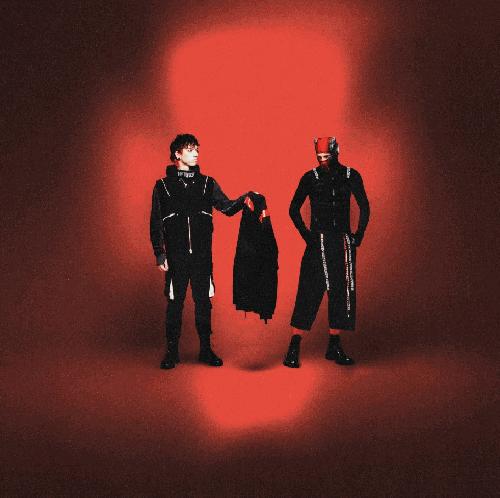
Review Summary: Despite a few standouts, Breach largely feels disappointing and rushed, and fails to deliver a worthy conclusion to the band’s ongoing storytelling.
Since about 2015, Twenty One Pilots has had a very unique and interesting career trajectory. Although they had a smaller devoted fanbase before that time, it’s pretty much indisputable that
Blurryface was their massive, breakthrough release. Whether you liked it or not, it was a cultural landmark of the decade, and its biggest hits were legitimately inescapable. Since then, they haven’t released any hits that even hold a candle to the popularity of songs like
Stressed Out and
Ride (at least not off any studio LPs). However, despite this, they still have a passionate, dedicated fanbase that eagerly eats up whatever the alt-pop/hip-hop duo releases. This is due largely in part to the band’s “lore” that they’ve established throughout their last few albums. It would be far too overambitious to explain it all in one paragraph, but all of their albums since
Blurryface have featured themes of mental health and self-esteem struggles, as well as some recurring characters (and in
Trench’s case, a bit of worldbuilding) that do more than enough to keep their diehard fans invested in future releases, while not being heavy-handed and overbearing in a way that would scare away casual listeners. When
Breach was announced earlier this year, it was advertised by the band as a conclusion of sorts to all the lore and storytelling they’ve done up until this point, signalling the end of an era for the band. Even for fans of the band who weren’t invested in the “lore” (myself included), this was something to be excited about, given that the band is at their best when they blend dark, moody lyricism and storytelling with their typical brand of catchy, anthemic alt-pop.
The sad thing is,
Breach isn’t an album worthy of this level of hype, and if you go into it with expectations of this being some sort of magnum opus or epic conclusion to the band’s storytelling, you’ll likely be disappointed.
The reality is that the songs on
Breach lack any sort of wow-factor, and oftentimes end up sounding like B-sides of the band’s past releases. I think this is largely due to how often the duo sounds like they’re simply going through the motions. Josh Dun, while being a perfectly serviceable drummer in the band’s live shows, does absolutely nothing noteworthy on the album. Not that he’s ever been known for his complex fills or mesmerizing solos, but his drumming on
Breach is as stale as it's ever been. Most songs, such as
RAWFEAR,
Garbage, and
The Contract feature easily-replaceable drum beats that remain mostly unchanged through the songs’ runtimes. As for Tyler Joseph, his vocal performance on
Breach is mostly decent, but incredibly inconsistent. For every song like
City Walls and
Drum Show (which both have the emotional, anthemic vocals fans are used to), there are songs like
One Way and
The Contract. The former feels like the textbook definition of “phoned-in”, and the latter wouldn’t be so bad if it weren’t for the annoying vocal effect they use on Joseph’s voice in the chorus. The icing on the disappointment cake is the album’s low-energy closer,
Intentions, which is nothing more than Joseph crooning about “intentions” to a mundane ambient melody. Not only is this a forgettable song on its own, but it results in the album ending in an uninteresting whimper that’ll have you asking yourself, “that’s it?”
There are, however, a few noteworthy moments where the duo’s talents shine through.
Robot Voices and
Center Mass stand out as album highlights largely due to how well they subvert your expectations.
Robot Voices starts with a bouncy, happy-go-lucky drum beat, but has an unexpected, but welcome, tempo change leading into its laid-back chorus.
Center Mass on the other hand starts off seeming like nothing special, but explodes into an intense, powerful climax that is, again, unexpected but very welcome. I don’t believe it’s a coincidence that the album’s finest moments are when the band goes against the grain and throws a curveball at the listener. One last song worth mentioning is
Downstairs, which can best be summarized as the band firing on all cylinders and doing everything they do best all in one track. The song opens with a downtempo, slow burn verse featuring falsetto vocals from Tyler Joseph, but engulfs you in its dark, depressing chorus a few moments later. The percussion and synths in the chorus set the mood perfectly and mesh insanely well with Joseph’s brooding lyricism about yearning for a “shelter” to hide from your demons.
”Down there, get some shelter from the weather
I wear all of my heart on my sleeve
I’ll take what I believe and I’m hiding it downstairs
I feel better in the cellar down there”
Unfortunately, despite
Breach’s high points, there’s simply not enough of them to keep the album from feeling like a disappointment. Too many of the album’s songs come-and-go without leaving a mark on the listener; although these songs may not be objectively awful, their overall lack of hooks and stale melodies make them feel like they could’ve been fleshed out much more. Worst of all, some songs like
Garbage,
One Way, and
Intentions feel so uninspired that they should’ve been left out of the album altogether. Even the album’s best songs (with the exception of
Downstairs) lack the sort of wow-factor needed to inspire listeners to keep coming back to them.
Overall, given the fact that their last album came out less than 18 months before this one,
Breach would’ve benefited from more time; too many songs feel unrealized. Perhaps some of my criticism is unfair due to the higher expectations I carried going into
Breach, but one could also argue that the duo set themselves up for failure with the hype they played a part in building.
2.75 out of 5