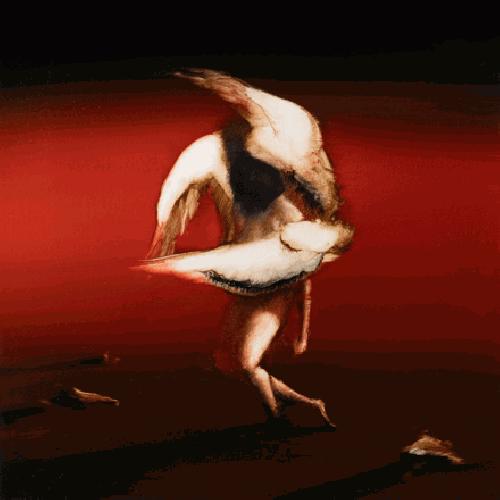
Review Summary: The debut from Manchester art-punk band Maruja is a fiery, poetic, and intense banger.
Maruja are a Manchester based band who have quickly established a cult following in the underground scene, thanks to a trifecta of killer EPs released over the last couple of years. Starting with 2023’s Knocknarea, last year’s Connla’s Well, and then a third EP dropped just earlier this year, Tir Na Nog.
The biggest aspect which gives them their unique identity is the inclusion of the also saxophone, which wails, soars, and adds to the simmering pressure. With the inclusion of the sax, the obvious label that gets thrown on them is jazz rock or jazz punk. Their 3rd EP, Tir Nag Nog, furthered that as it was 1 long improvisational track recorded in one hit. But make no mistake, these guys are punk as ***.
Personally, I was really eager to see how closely they would stick to the blueprint established in those first 2 EPs or how they may switch up their sound. Likewise I was interested to see what the reception would be, and these guys feel like they have the potential to break out into the mainstream, following in the footsteps of other British banks like IDLES and Fontaines DC, but to do that they may have make their approach more accessible.
We start off the album with
Bloodsport, which is an incredible, explosive opener. It’s super high energy, it’s passionate, and vocals rule as they break into full screams. From the onset, this is a punk as *** and a hell of a way to kick things off. The songwriting throughout the whole album touches on traditional punk themes of class struggle, social economic inequality, and calls for unity, and straight from the bat we have images evoked in the lyrics of the working class being pitted against each other.
Following up, we get the excellent
Look Down On Us, which is a long, intense monster of a track. The bass and the sax really complement each other throughout the whole album and that gets particularly showcased here, with the bass creating this thunderous wall of sound on which the sax, which goes hard as hell, sits on top of. Harry Wilkinson shouts with a palpable rage that so raw, but has a very distinctly British of ripping through the poetic verses.
Look Down On Us eventually gives way to this extended prose during the bridge, where Harry is singing about choosing love over hate, and the powering of loving and accepting those around you, which shows that this track and album isn’t just giving a middle finger to the ruling class, but also driven by a love and compassion for their fellow man. This is exemplified by the lyric
"Turn pain to power, put faith in love" from which the album title is derived. This track is electrifying and one of the highlights of the album.
That sentiment is then shared on the follow up,
Saoirse. This is a more down tempo track that serves as a moment to breath after the high energy of the previous tracks. The sax is the focal point while Harry croons about how it’s our differences that make us beautiful, again another call to unity.
Born To Die is then another lengthy beast of a track. This one actually reminded me the most of their EPs of any of the tracks on this record. It has this tension that builds and builds subtlety and gradually through the song. Lyrically, it reads a more spiritual message than sociopolitical, but still fits. The opening section of
Born To Die is gorgeous and keeps the listener on the edge of their seat as the drums increase the anxiety in the background. Towards the end is finally drops into this killer heavy section, that almost feels a bit like a Rage Against The Machine track with these massive groovy basslines and screeching guitars.
From there is
Break The Tension and then
Trenches, which together are the two straight forward, conventional tracks on the album. But after that first half, they are welcome.
Break The Tension that has this great drone-y bassline going through it. Trenches is a more gloomy in tone to start but leads to more of those creaking, wailing guitars and Harry screaming his head off on the vocals towards the end. Lyrically, there are more references to class warfare, with trenches being a very obvious metaphor. Both have massive choruses which are super anthem. They will pop off at live shows.
Rounding off the record we then get
Zaytoun, an instrumental interlude and another breather. It certainly is pleasant, but doesn’t feel like any more than a pause in the action.
Reconile is then a lovely closer to see the album out. Rather than more searing intensity, this track is more float-y and dreamy. There is a great section with the group vocals drifting in and out of the background as we get deep into the song, it’s very hypnotic and trance-like. It concludes with a big crescendo where the saxophonist is playing that sax like it truly is the end of the word.
------------------------------------
In conclusion - this was a fantastic debut and an awesome piece of art punk. The songwriting is strong, with a more poetic and eloquent take on established punk themes. The performances from all 4 band members are top tier. I would have liked a little bit more of the spoken word sections, but the fiery vocal deliveries make up for that plenty. I also would have liked the drums to be showcased a bit more in general, some tracks from those previous EPs particularly Connla’s Well, were punctuated by mind-blowing drumming, and while the drumming here is consistently strong, it just doesn’t get the opportunity to take centre stage as it does like on
The Invisible Man for example. But these are not significant gripes. Pain To Power melds poetic songwriting, punk energy and emotion, jazz-inspired instrumentation, and a distinctly British aesthetic.
Awesome album, plenty of killer highlights, Maruja have cemented themselves as one of the most exciting up and coming bands today and have carved out a very unique identity unlike anyone else right now.