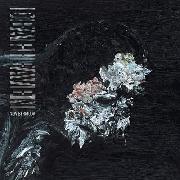
Review Summary: Lightning can strike twice.
I still remember where I was when I heard Deafheaven for the first time. I was finishing up my senior year of high school, sitting in the library during study hall, browsing the popular metal-oriented blogs of the time on a laptop, as I usually did. There was this song called “Dream House” that was taking the internet by storm, attached to an album cover that was almost entirely pink. There wasn’t a site I visited that wasn’t raving about it, so I had to check it out of pure curiosity. I was completely blown away—I had never heard anything like it. I had listened to some of the classic black metal bands in the past, but this was an entirely new beast. It felt completely fresh and further sparked my growing appreciation of music as an art form.
Blackgaze, of course, existed before
Sunbather, but that album broke containment and catapulted the genre into the metal cultural spotlight as “the next big thing.” It was undeniably harsh, yet widely accessible thanks to its melody, emotional immediacy, and clear song structures. That cross-genre appeal made it an easy sell, and in the years that followed, the genre reached heights few niche offshoots of black metal ever do. Slowly but surely, though, things began to feel familiar. Release after release leaned on the same quiet-loud dynamics and towering crescendos, with more than a few blatant
Sunbather ripoffs mixed in for good measure. At this point, the once-burgeoning sound feels largely exhausted, its distinct creative spark relegated to endless repetition.
In the years since
Sunbather, Deafheaven have continued to release undeniably strong material, but their creative trajectory has often felt like a back-and-forth.
New Bermuda reads as a direct response to critics, an effort to prove the band could be heavier and more traditional in their riffing.
Ordinary Corrupt Human Love plays like an attempt to recapture the lightning-in-a-bottle moment of
Sunbather, while
Infinite Granite was an obvious creative experiment, stripping away nearly all of the band’s metal elements.
Lonely People With Power is Deafheaven returning with an entirely renewed fervor, seamlessly weaving together elements from all of their previous albums into a singular, definitive experience. The band’s greatest strength lies in their songwriting. The way they juggle their eclectic influences into something cohesive is simply remarkable and is something that could only come from the mind of Deafheaven. Dreamy, reverb-soaked tremolos sit alongside blast beats and venomous screams as a foundation, which the band then remixes through pop-oriented song structures. There is a perfect balance of soft and heavy, calm and anger. A strong post-punk streak runs through the album, accentuating the power of the heavier elements. “Heathen” exemplifies this, pairing an absolutely cathartic screamed chorus with a jangly, Johnny Marr-esque melody to create something jawdroppingly catchy yet still retaining all heaviness. “Body Behavior” follows a similar formula, with an infectious, upbeat rhythm section and massive hook that compels movement. If you strip away the screams and blast beats, these are just dreamy post-punk songs at their foundational level. This is a lesson in how to combine the strengths of metal and pop together as one, fully fused at the heart to craft something that transcends both entirely.
Deafheaven have a unique skill in draining every emotion out of you.
Lonely People With Power is anthemic, devastating, furious, depressing, and gorgeous—sometimes all at once. There is no song more emblematic of this than the perfect comedown of “The Marvelous Orange Tree,” which sees the band at their most ethereal, using careful post-rock builds to deliver bombastic crescendos and breathtaking soundscapes that stand in fascinating contrast to George Clarke’s ferocious vocals. Every instrument works in perfect tandem. Kerry McCoy’s riffs and melodies are the work of a master with real versatility, from the magical, cascading tremolos of “Amethyst” to the hefty, thrashy licks in “Doberman” and “Revelator” that prove Deafheaven can still write a riff fiesta with the best of them. The drumming drives the album relentlessly: blast beats punch in the mix, while softer double-bass patterns create a foreboding sense of what’s coming. Clarke’s tortured wails might be my favorite part. He combines visceral acidity with precise control, choosing when to enunciate clearly and when to unleash a deathly roar that lingers. McCoy may be the glue, but Clarke has that “it” factor that elevates Deafheaven to an entirely different pedestal.
It’s incredibly rare, but sometimes a piece of music comes along that reminds you just how special this art form can be, reigniting a passion you thought had faded.
Lonely People With Power is that album, awakening the same nostalgic sense of wonder I felt when I first heard
Sunbather. It feels as though every Deafheaven album has been leading to this moment—a deadly concoction of their strengths distilled into one ambitious, intricately constructed statement. I’m confident
Lonely People With Power will stand the test of time, and when all is said and done, it will be remembered as a serious contender for album of the decade. For now, it stands as an ideal representation of what music in 2025 can achieve.