Review Summary: Please pay your dentist a visit after listening to this
For almost 20 years of their history, the Finnish musicians from Poets of the Fall managed to balance quite confidently on a thin line, combining in their sound very melodic vocals, poetic pathos, and a solid musical backbone. They never allowed any of these elements to go overboard, except for a few instances (this reviewer shudders every time he thinks of the over-sweetened vocals in
Cradled in Love). And without a doubt, such an understanding of their strong points deserves respect. Even on the last two albums, where the band dropped alternative rock almost completely for a pop-rock sound brimming with synth melodies, they refrained from an irrevocable dive into the full-on saccharine sound condemned by many who prefer something harder.
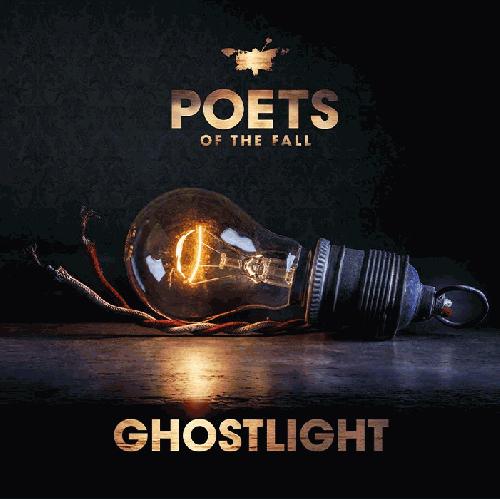
That was true until the release of their ninth album –
Ghostlight.
Despite the assumed continuation of the sound the band demonstrated on
Jealous Gods,
Clearview and
Ultraviolet,
Ghostlight makes an unexpected (well, not
fully unexpected) return to rock, along the way partially replacing synth lines with symphonic arrangements, at first bringing to mind comparisons to
Twilight Theater and, to be more specific, its track
War. The level of melodramatics in said song came dangerously close to tastelessness in its pathos, but that time other cuts managed to preserve this fragile balance with their preciseness and immediacy. Unfortunately,
Ghostlight gives us a different outcome.
In the beginning, there is nothing pointing to the impending failure. Yes, the opening track,
Firedancer, turns out to be a typical, if not to say stock, first track on a Poets of the Fall album, and it is difficult to call it memorable or even remotely energetic (it definitely fails compared to
Lift,
Fire,
Running Out of Time, or
Daze), despite its rather substantial length exceeding six minutes. But it does manage to throw us off and generate some expectations. Although they don’t last long.
Already on the second track,
Requiem for My Harlequin, we inadvertently start to notice a dramatic increase in glucose content. Amplified sugariness in the melody and vocals, augmented theatrics, and too-sweet backing vocals in the closing minutes of the song elicit a slowdown of the pulse, while, it would seem, the expected effect was to get the opposite.
Sounds of Yesterday goes by practically unnoticed, failing to stay in the memory, just like the day that just passed. And it seemed that
Revelations would turn this around, quickening the tempo, but instead it bears so many obligatory elements of the band’s sound that it has no room for something to help make it just a bit distinctive. It is right at this point when the album falls permanently into such an uninspiring and coated-in-so-much-sugar sound that it never manages to recover from it until the last seconds of
Ghostlight (probably,
Weaver of Dreams demonstrates some feeble efforts, but they turn out to be futile).
After having listened to the album, all you are left with is a feeling of bemusement – how did they get to this point? Until now, Poets of the Fall had never failed so laughably. Even on their weakest and meandering album,
Temple of Thought, they managed to pull off a number of solid songs. On
Ghostlight we see a product of clear ambition bearing so little success. Repeated listens still yield no fruit, and it is nearly impossible to recall or hum any of the tracks. All the band managed to produce is a bunch of cuts so amazingly derivative of their own discography, providing just a pile of formulaic melodies. And they cannot be saved by off-the-chart melodramatics, overreaching arena epicness, or guitar solos, which only remind us of the formidable talents that Olli Tukiainen apparently still preserves.
The Finns mentioned that
Ghostlight is the third part in the trilogy that started with
Clearview. And, as is often the case, the third part turned out to be the weakest. We can only hope that on their next album Poets of the Fall decide to step away from the flirting with the 1980s sound that overshadowed everything and give us something a bit livelier. And we know they still have it, as several songs they recorded under the Old Gods of Asgard moniker reminded us so well.