Review Summary: Busker, dreamer, star, tragic figure
Zahara began life in the Phumlani Informal Settlement outside of East London. It is impossible to capture how "country" the Eastern Cape province of South Africa is, in the truest sense of the word. Green hills, wooden kraals, pink brick houses mixed with the zinc shacks. Someone from this place truly needs to seize any opportunity and spin it into gold. This makes the story behind 'Loliwe' fantastical - record label guy spots talent in a music lounge in East London, signs her and takes her to Joburg. In 2011, 'Loliwe' drops and becomes the second fastest selling record in South Africa.
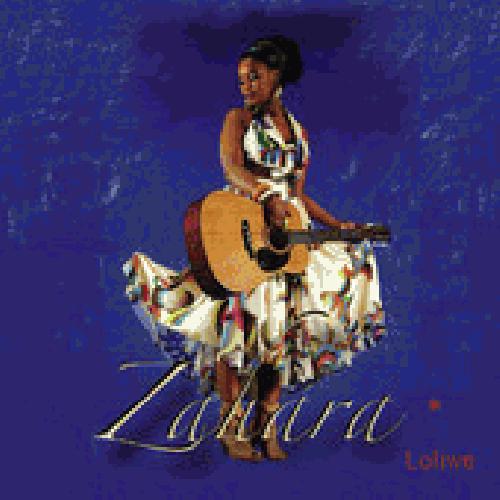
There's nothing about ‘Loliwe’ that's revolutionary – even the album cover has that amateur look common to many gospel or traditional releases in South Africa. Still, there is something about it that speaks of someone seeing something new, something exciting. That wonderment is palpable in the performance, it translates even if you don't follow the lyrics (mostly in Zahara's mother tongue Xhosa).
Thematically, the songs navigate absence, burden, and expectation. It's the voice of a young woman with incredible potential, and probably overwhelmed by it. That voice is a rare beauty - stately, dignified but supple and vulnerable. It is one of those instruments that is simply all appeal. And even though the songs are strong, it is this element that elevates the album beyond just being a solid singer songwriter effort. Something about the choices in a song like 'Umthwalo' breaks your heart - the vocal fills she uses to complete the chorus lines sound like the congenital weight of responsibility.
The highlights reside here from 'Umthwalo' to 'Lengoma'. The title track plays like a lullaby with surprisingly alive backing. The delicate lead guitar lines underpin the waves of drum and piano, and Zahara rounds out the chorus with regal strength amidst a cascade of domino cymbals. 'Xa Bendingena Mama' is more traditional, dipping and rising on the Maskandi accordion chords like a chorus of snaking dancers. Zahara finds all the corners of her voice in the tale of longing. 'Ndiza' is only slightly marred by an unfortunate vocal echo sample in a soulful ballad, but overcomes this misstep with the passionate power and beauty of the chorus. 'Incwad'encane' adds variety to the strong run with a light jazzy pop song that seamlessly increases the tempo of the record. 'Lengoma' is warm guitar strums with tiny acoustic flourishes while Zahara effortlessly manages to sound in the fold but also defiant.
As clean sounding and straightforward as the album is (whether dealing in plaintive traditional folk, light township shuffle or afro soul), there’s an honesty to the performances. The only missteps occur at the tail - 'Away' dips into a generic, slick reggae groove that's vaguely off-putting, and the following track 'Brand new day' dutifully dispenses a hackneyed positivity message that sounds too rote. Zahara sounds best when balancing her hope with uncertain weariness.
Zahara's stage name means "blooming flower", and this album captures that moment in her career when everything lived up to this moniker. Two years later she would be singing for Mandela in his home at his request, fresh from a triumphant live DVD and successful second album. I prefer not to think of how things took a turn for her - first with the murder of her brother in 2014, and then a crippling addiction to alcohol compounded by label woes and disputes over money. 'Loliwe' is a beautiful moment in a life, and hopefully we will see something like it again in her future – there’s still time.