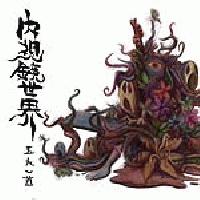
Review Summary: A journey into ethereal folkloric Japan.
As a nerdy child born in the 90s, it seemed inevitable that Japan’s cultural influence would shape who I am, from video games to anime aired on Saturday mornings. While not entirely a weeaboo, I always appreciated the mystical allure of Japan’s mythology that was ever-present in their media I consumed growing up, if not often subdued. Gonin-Ish has captured that essence and fully expressed it in aural form on
Naishikyo Sekai, polishing it with a bombastic zuehl-influenced progressive metal sheen.
The intro jam may mislead one to thinking this is typical progressive metal, but all of that is thrown out shortly into the second track. While I’m not versed enough in music theory to understand what scale and/or key is being used, something about the music is unmistakably Japanese, likely mirroring elements of classic folk songs of old. Frontwoman Anoji Matsuoka brings another unique element to the band’s sound which is soon made readily apparent. Throughout the album, she switches from clean vocals that wouldn’t sound out of place in J-Pop to operatic wails to growls. The trifecta cementing them as unlike any other band I’ve heard is Masashi Momota’s work on the keys. While occasionally sounding synthesized where need be, the prominent sound is piano, and it’s deeply entrenched in the album. All too frequently keyboards in metal throw down some supporting chords and do little else, perhaps only showing up to do a solo here and there. It’s refreshing to hear piano riffs inseparably entwined into the music as a constant presence.
Throughout the album’s course, this talented quintet fully explores this unique musical cocktail they’ve crafted. From a more standard song like Shagan no Tou, to the ballad Jinbaika, to the progressive build-ups in Nare no Hate and Muge no Hito, their songwriting chops shine. Of particular note is the closing epic Akai Kioku, almost twenty minutes in length. While long songs are no stranger to progressive metal, this one is entirely through-composed: no segments are reused or returned to. It is here where they fully embrace their otherworldly soundscapes as they proceed through the movements of this piece, ending in a triumphant cathartic buildup.
Naishikyo Sekai cements this obscure band as one of progressive metal’s greats, crafting a sound that is truly unique. If only most folk metal took lessons from this album instead of opting for slapping in some traditional instruments and a few folky melodies before calling it a day, but alas. If you fancy yourself prog of the avant-garde persuasion, you owe it to yourself to check out this album.