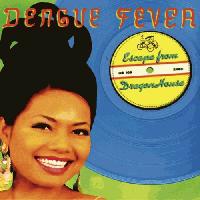
Review Summary: Fevers, sleepwalkings and spiders in Little Cambodia
I promised to take you far away from the music I usually review, and today, we’re going to California, but we’ll be looking towards Cambodia the whole time. Once again, today’s band is not easy to describe, although you could give them the over-simplified label of neo-psychedelic, or 60s revival. But that’s not the whole picture. They’re specifically trying to revive Cambodia’s 60s pop and rock scene, keeping its distinctive sound, but slightly modernized and with their own personal touch. They can rock, they can make some catchy pop and some trippier stuff. And today’s album is my favorite of theirs.
I wouldn’t say I enjoyed every song on this album, and they have some really good ones on other albums, but I still chose this particular release to review because it has the highest concentration of my favorite Dengue Fever songs. Let’s see what makes each of those songs so delightful.
I was introduced to this band by the lead single, “Sni Bong” (I should mention now that all the lyrics are in Khmer, aside from a few verses and choruses in English). With its slinky blues-rock riff, funny guitar effects, catchy melody, sweet singing and warm, inviting atmosphere, it’s absolutely irresistible, and a great first impression. And there are other moments of greatness to be found. The most psychedelic tracks would be “Sleepwalking Through the Mekong”, a strange ballad with bird songs, trippy instrumentation and weirder vocalizing, and its complete opposite, “One Thousand Tears of a Tarantula”. That one is an absolute blast of crazy fast riffs, wild horn lines and even faster vocals, with strange lyrics about nightmares. It sounds like a really weird jazz rock song, or like The B52’s “Rock Lobster”, but with tarantulas instead of lobsters.
“Tip My Canoe” is where they really commit to their 60s Cambodian music revival concept. It’s a cover of an old hit by Sinn Sisamouth and Ros Sereysothea, 2 of that scene’s biggest stars, and once again, it keeps the catchiness of the original and the fun call and response between male and female vocals, but its instrumentation is more rock-leaning, and uses a clearer, more modern production. That's the whole idea of Dengue Fever: modernized covers of old Cambodian hits and original tracks that convincingly replicate that sound. The instantly recognizable blend of distorted guitars, horns and percussions that try their best to sound like traditional instruments, high-pitched and nasal vocals inspired by the Cambodian tradition, the fun and carefree vibe with simple lyrics about love, parties and strange dreams (well, according to the translations I’ve found online), it’s all there.
The reason why their updated 60s Cambodian music works so well is that it’s so well-written and performed. They are the masters of the earworm, like on the songs I’ve already mentioned, but also on the title track and its wonderful, immediately catchy verses. Even the songs I don’t like as much are catchy. Opener “We Were Gonna” is a relatively simple bluesy, retro rock song, not as interesting as some other tracks, and yet, something about its chorus sticks with you. Although “Hummingbird” is in my opinion better than the other ballad “Made of Steam”, both instantly get stuck in your head. I don’t like the chorus of “Tap Water” that much, the melody isn’t that interesting and what’s so special about tap water? But the song has a great guitar and horns intro, which proves that Dengue Fever have another gift, for instrumentations. Most of the guitar, keyboard and saxophones work is just so good! It’s a joy to listen to on every track, even the ones I don’t love as much. And finally, the vocals, Zac Holtzman’s occasional interventions but mostly Chhom Nimol’s unique, high-pitched yet graceful and warm voice, are the other great things about this band.
I think I’ve already said everything I needed in previous paragraphs, so my conclusion will be simple: a great album, by a band I got into recently and am starting to really enjoy. Listen to this if you want a good album from a genre you may not know about. Dengue Fever may never replace the great Cambodian singers of the past, but they feel like a true continuation of those artists’ sound, and they’re a great band in their own right. But stay tuned for a review about Dengue Fever’s inspirations, and about other artists you may or may not know.