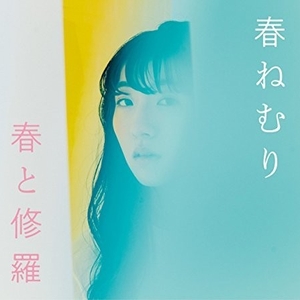
Review Summary: Climactic Noise Pop
Bursting forth in an unstoppable stream of static, the one-two punch of album openers “Make More Noise of You” and “鳴らして/Cry out" set a commanding precedent for the fury of conflicting emotions contained within this brilliant debut album. Both these songs help introduce us to the dichotomy of styles on display here. The dissonance of the instrumentals and the relentless anthemic energy of Haru Nemuri’s chaotic vocal delivery strike a perfect balance, creating feelings of euphoria amidst the darker landscapes.
Haru to Shura is an album that thrives on this chaotic premise. Songs that start with plastic and artificial electronic beats will manifest into raw anthems of anger and sadness, while songs that catapult forward with distorted intensity will settle into catchy rhythms and infectious groves. Songs like “Underground” and “Lost Planet” are two of the shorter songs that represent this evolving emotive style in a relatively quick amount of time. The deliberately paced chant of “U F O” in Lost Planet is as catchy as it is unnerving, making it hard to know when to blissfully sing along, and when to take pause in uncertain horror.
This diverse emotional range is what gives the album so much of its’ staying power. It’s hard to tire of songs that confidently mix such disparate sensations into an easy to understand and relatable formula.
To say that Haru to Shura is an emotionally gripping album would be an understatement. Through the spiral of Haru Nemuri’s spoken word verses, poppy chants, and throat tearing screams, each word is delivered with unwavering sincerity and confidence. For just a taste of her powerful vocals, the title track displays a repetition of the lyrics “光って あおく光って”. As the song progresses and evolves, so does her implementation of that same phrase. At first its’ spoken softly but quickly, giving off the feeling that those lyrics are just a small part of a bigger picture. But eventually those soft words begin to escalate, now reflecting the growing urgency of the howling instruments. Eventually all other words dissolve, and we are left alone with nothing but those same words. Her tone now matching the messy dissonance of the guitar as she repeats it, over and over and over, until a lonely distorted scream carries us into the silence.
Repetition is just one of the many aspects of the album that lend it its’ signature uncomfortable emotive resonance. The melodic electronic samples on songs like “せかいをとりかえしておくれ/Take Back the World” are implemented so well that even the most artificial and robotic sounds become human and relatable. Its through tricks like these that one of the album’s best qualities becomes very apparent.
The climaxes reached on Haru to Shura are nothing short of extraordinary. The soft flickering noise at the end of “Rock N’ Roll wa Shinanai” offers just enough sanctuary from the unflinching and desperate screams that punctuate its’ final moments of chaos. The explosive aggression in the final stretch of “鳴らして /Cry out” revels in the repetition of Haru Nemuri’s deranged screams. Moments like these are unforgettable, and the album is full of these breath taking sections. However, the ways in which these climactic moments are reached are the true standout of the album.
There is catharsis in every wavering second of Haru Nemuri’s ferocious growls, and in the steady flow of noise that hovers beneath them. But there is also catharsis in restraint. By holding back and letting songs develop, each climactic moment is strengthened. We are not constantly being overwhelmed by waves of impenetrable screams. There is no barrage of endless finality in every spoken word. Each song is given time to grow and build organically. All the meandering and carefully constructed monotony makes the deranged moments so much more powerful. Moments like the sped up vocals in the middle section of the title track wouldn't be so impactful if it wasn't for the hazy and slow build that occurs before them. Then the final emotional refrain wouldn't be as affecting if it wasn't for the calm that proceeds that section either.
There is catharsis in restraint. There is meaning in the static that prefaces the storm. Haru to Shura fully embraces the ebbs and flows of not just its’ musical juxtapositions, but also the push and pull of its’ own identity.