Review Summary: Noise music by the numbers.
Believe it or not, this is a real thing and it does in fact feature actual “noise” compositions and so on. The unworldly combination of [adult swim] and the noise genre is nothing short of baffling, as the late night television network has never before leaned in such an experimental direction. Sure enough, this is the network that had a part in Flying Lotus’ mainstream breakthrough years ago, but to go so far as to seriously put out a noise compilation is truly bewildering. The aptly titled
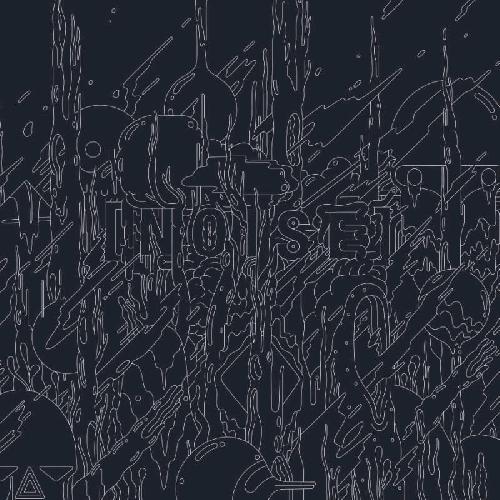
NOISE, curated by [adult swim] writer/producer Laura Sterritt, doesn’t necessarily ally itself within one sound or specific type of noise music, but according to Sterritt, views noise “not only as the common thread, but as a sub-genre within which all lines intersect.” A stereotype often bound to the genre, noise usually gets a bad rep for being generally inaccessible and overly abrasive (though anyone listening to noise music should know very well what they’re getting themselves into first and foremost); the abrasiveness of the genre is quite present on the compilation, however, there are moments of clarity that manage to be quite breathtaking and show off the beauty behind the noise. It’s difficult to nail down the true intent behind noise as a genre, and personally, I wouldn’t even be able to delve into an analysis of the know-how of noise and its artists without giving an extensive rundown of the genre and its evolution to how we know it today. The true nature of noise music is obscured by just exactly what the name implies: “noise”, with or without the practices of conventional music;
NOISE for the most part throws everything and the kitchen sink into the mix throughout its 103-minute long duration to create an eclectic, yet barely cohesive album.
The very problem that plagues
NOISE are the eclectic choices that Sterritt commissioned for the compilation. Consisting of some of the higher profile artists within the genre, alongside with some very questionable selections as well,
NOISE doesn’t benefit from its oddball choice of artists nor its willingness to allow noise be the defining factor in which the songs are based upon. It makes for a somewhat muddled perception of what noise is about in favor of creating noise music for people who don’t like noise music. The inclusions, again, are what make this a deal breaker in one way or another. Clipping.’s track
”Body for the Pile” is perhaps the worst offender of simply pasting noise onto the backing track
just for the sake of being “noise”, or whatever the boys in the band think qualifies as such. And so, this is the trend that never subsides throughout the album, leaving its audience to consider the true motives behind
NOISE.
A great deal of the compositions range from vaguely interesting to typical doing “noise for the sake of being noise”, although there are a few exceptions worth noting. Merzbow, vegan japanoise laptop noise extraordinaire and the genius behind the legendary “Merzcar”, contributes perhaps the most excessive piece of work that
NOISE has to offer in
”For Adult”; a seventeen-minute long piece that revolves around a repetitive morse code-like drone pulsates yet never stays in one place for too long. It’s classic Merzbow-style f
uckery, and surprisingly enough, it’s one of the more impressive pieces on the album despite Merzbow’s common disregard for dynamics. The duo of
”Erie Changys” and
”Processional” by Tanya Tagaq and Noveller, respectively, both contain occasional glimpses into the concept Sterritt had in mind for
NOISE. The prominent use of Tagaq’s Inuit throat singing amidst a backdrop of glistening strings in
”Erie Changys” creates a melancholic atmosphere that is more of an antithesis to noise music when comparing it to the guitar and synth laden standout
”Processional”. It’s on tracks like these that Sterritt’s concept would work had the majority of the material were either more developed or were just better in general.
Hassan Khan’s
”Casiotone Gigantija” and Pharmakon’s
”Squall” feature perhaps
NOISE’s ultimate death knell, the pieces that shouldn’t define the album, yet somehow manage to just hamper the quality of the album altogether in just ten minutes. Similar to a majority of the tracks, both pieces plod along with no rhyme nor reason to its cause and do nothing to really convert anybody who is remotely on the fence about noise music. It’s with material such as this that we’re left with an overly long mixtape containing half a dozen worthwhile cuts and a solid hunk of disposable noise music that nobody really asked for.
NOISE is like noise music by the numbers – shallow, forgettable and bored with a tinge of imprudence that makes the experience unexceptional.