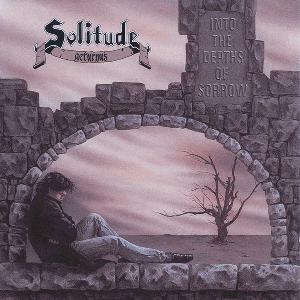
Review Summary: Preserving the legacy
Line up:
Robert Lowe - Vocals & Keyboards
Edgar Rivera - Guitars
John Perez - Guitars
Lyle Steadham - Bass, Additional Vocals
John Covington - Drums
Solitude Aeturnus stands as a pivotal chapter in the history of epic doom metal, a genre that marries the weight of heavy riffs with the grandeur of orchestral mood and thematic gravitas. The narrative arc can be traced from its genesis in late 1980s Arlington, Texas, through the formative efforts of John Perez and his evolving band, to the release of a debut that would leave an indelible mark on the metal landscape. This review will try to examine the formation, stylistic ambitions, production challenges, and lasting impact of Solitude Aeturnus and its relation to the broader currents of doom and European-influenced metal. In doing so, it will also reflect on how the band’s trajectory harnessed regional enthusiasm, transatlantic influences, and the persistent tension between tradition and experimentation that characterizes much of the late-20th-century metal.
The genesis of Solitude Aeturnus embodies a classic musicians’ pursuit: a desire to transcend established genres and craft a sound that could articulate a sense of awe, despair, and resilience. John Perez, a guitarist immersed in the burgeoning doom metal milieu, sought to move beyond the limitations he perceived in thrash. Doom metal, with its slower tempos, heavier atmospheres, and more foreboding lyrical and musical motifs, offered a canvas for more expansive composition and emotional depth. The band’s initial name,
Solitude, paid homage to Candlemass, a respected pillar of the doom pantheon, signaling both influence and intention. The decision to name the project in homage to a predecessor is telling: it situates Solitude Aeturnus within a lineage that values monumental guitar textures, operatic atmosphere, and a willingness to explore existential themes through heavy, melancholic soundscapes. When the group entered the studio in December 1987 to pen their first ever recording, in the form of a demo called
Justice for All... (it predated Metallica's studio release by seven months), they faced the hazards common to many young bands - limited production capabilities and the fragility of early material. Yet those five tracks would prove historically significant, featuring early versions of material that would later appear on their debut while also containing experimental ideas that did not survive into subsequent releases. The sonic snapshot captured on that demo reveals a band wrestling with identity, trying to reconcile the epic ambitions of European doom with the raw energy and temperament of the American metal scene.
The early reception of Solitude, marked by a lukewarm response, underscores an enduring reality in the metal underground: innovation often proceeds haltingly in the face of skepticism and logistical hurdles. The subsequent lineup changes in 1988 reflect a re-calibration that, ultimately, helped the band crystallize its unique approach. This period of reinvention - shifting personnel, refining songwriting, and consolidating a distinctive aesthetic - was instrumental in enabling the group to persist and grow throughout the 1990s. The seven-year arc that followed was characterized by a flourishing of creativity, a capacity to sustain momentum, and an ability to carry the torch of epic doom into a new decade. The narrative highlights the role of tenacity and adaptability in artistic development, suggesting that breakthrough moments frequently emerge when a group resolves internal tensions and aligns its collective strengths with a clear musical vision.
In terms of sound and stylistic identity, Solitude Aeturnus’s debut can be described as a distinctive blend - one that resists easy categorization as a mere hybrid of doom and power metal. The band’s music sits at an intersection where epic, dragon-like storytelling and operatic vocals intersect with heavy, driving riffs and contrapuntal song structures. The guitar work is noted for its use of middle-eastern-inspired scales, which impart an otherworldly quality that enhances the band’s mystical aura. These musical decisions contribute to a sound that feels both familiar to doom enthusiasts and inventively fresh, offering something that could captivate listeners across different metal subcultures. The debut's production can be described as "average" or outdated (at least by modern standards), a reflection of the practical realities of recording at the time and the nascent stage of the band’s development. Yet even within the constraints of production technology, Solitude Aeturnus secured moments of exceptional intensity - solos that weave through the fog of heavy chords, drums that pummel with restraint, and a vocalist (Robert Lowe) whose voice is praised for its distinctive flexibility and emotional reach.
The album’s enduring influence must be recognized despite its imperfections. The band’s willingness to experiment with tempo, texture, and melodic contour fosters a sense of drama and narrative depth that resonates with listeners who seek more than simply loudness. The assertion that the album helped define a particular doom metal ethos - multilayered, epic, and momentous - speaks volumes of its capacity to offer a comprehensive listening experience that rewards repeated engagement. The comparison to Candlemass is nuanced: while Candlemass established a foundational European doom paradigm, Solitude Aeturnus contributed a distinctly American voice that nonetheless shared a reverence for grandeur and somber storytelling. History positions Candlemass as the older, foundational force, while Solitude Aeturnus is celebrated for translating and expanding that blueprint in a way that would influence a generation of American musicians. These dynamics underscore an essential theme in heavy music: the cross-pollination of continental sensibilities, which often leads to new movements that honor antecedents while pushing into new sonic territories.
S.A.’s compositional prowess is evident in their ability to craft tunes that demand psychological readiness from listeners. The lyricism and doomy melodies are intensely loaded, presenting a sonic experience that can feel emotionally exhaustive in the days following the… inauguration. One such tune is
Mirror of Sorrow, which stands out as the record’s centerpiece. Celebrated as an anthem of doom metal and perhaps the band’s finest achievement, this number is melancholia personified and offers a model for how epic doom should be approached; the guitar’s heavy riffage is on the right proportions, the mournful melodies are excellent, the bass is prevalent, and the instrumentation layering is meticulously crafted. The piece is almost 8 minutes long and you barely take notice. The performance by Rob Lowe on this track is particularly noteworthy, often regarded as the most memorable of this collection and -possibly- the pinnacle of his singing career. I would dare say that S.A. never again recorded a better song.
Lyrically, the album’s themes align with the broader doom tradition, favoring introspection, tragedy, and existential meditation over more conventional heroism. The narration suggests a tragic sensibility rather than a heroic epic, a distinction that shapes the emotional architecture of the music. Lowe’s vocal delivery, unique and capable of carrying the weight of psalms and dirges, plays a critical role in articulating this mood. His vocal timbre, with its combination of high register and husky mid-range, complements the band’s musical approach, enabling the creation of a sound that is at once majestic and mournful. Such vocal characterization is essential to the band’s ability to evoke a sense of scale and seriousness, inviting listeners into an immersive sonic experience that transcends conventional metal rhetoric.
Nevertheless, one should not shy away from acknowledging perceived shortcomings. Some songs on the debut could be described as a “drag”, and some critique could be made over specific vocal lines that, while technically impressive, risk fatigue over extended rotations. This balanced appraisal is important, reminding readers that even influential works can present imperfect execution alongside remarkable artistic achievement. The evaluation of song structure, tempo variety, and the balance between melodic breadth and rhythmic propulsion reflects a mature approach to music criticism - one that values both ambition and discipline. The discussion of “too much of a good thing” in the form of long epic tracks raises a perennial question about pacing in metal composition. The tension between expansive, atmospheric development and engagement remains a central consideration for bands operating within this genre, and Solitude Aeturnus’s debut engages with this tension in a manner that could invoke ongoing dialogue among fans.
Finally, the broader significance of Solitude Aeturnus’s debut lies in its enduring legacy within epic doom metal. The album is portrayed as a catalyst that legitimized and disseminated a particular aesthetic - one that combined European-inspired doom with American metal’s intensity and self-conscious artistry. The band’s ability to retain its identity notwithstanding the pressures of market and genre expectations demonstrates the resilience of artistic vision when coupled with technical proficiency and emotive power. The conclusion - that the album prepared the stage for greater things to come - resonates with a larger narrative in heavy music: seminal releases often function as springboards that enable bands to refine their craft, expand their audience, and influence peers who will shape the genre’s future trajectory.
In sum, the story of Solitude Aeturnus is a testament to how regional scenes, cross-cultural influences, and a steadfast commitment to a particular artistic vision can yield work of lasting significance. From the uncertain beginnings of a Dallas-area project to its emergence as a cornerstone of epic doom, the band’s journey offers a case study in perseverance, stylistic experimentation, and the nuanced evolution of a sub-genre. This debut, with its ambitious arrangements, expressive guitar work, and Lowe’s distinctive vocal performance, stands as a landmark achievement within doom metal, one that continues to inspire both listeners and musicians who seek grandeur tempered by melancholy.
Recommended tracks:
Transcending Sentinels
Dream of Immortality
White Ship
Mirror of Sorrow