Whilst you’ve probably never heard of Mike Johnson, there’s quite a high chance that you’ve actually heard his work. The man’s one of the shadow-dwelling musical heroes of the nineties, providing the bass backbone in Dinosaur Jr. after Lou Barlow’s exit and helping sculpt the aural blueprint for Mark Lanegan’s solo albums. On top of that, he was involved with Queens of the Stone Age and Caustic Resin. Quite the resume for a man with virtually no recognition, won’t you agree?
On top of all that, Mike put out a fair share of solo records, most stylistically related to the down to earth material he co-wrote for Lanegan’s albums. Distinctly downbeat and slow, bleak, borderline minimalistic, the perfect sort of album to put on as you gouge your eyes out with a melon peeler, assuming you have any energy left in you to carry out the deed once his music hits you over the head. Approach with caution, it really is some of the most depressive stuff out there, though it may take a couple listens to sink in as it doesn’t flaunt its defeatism in your face.
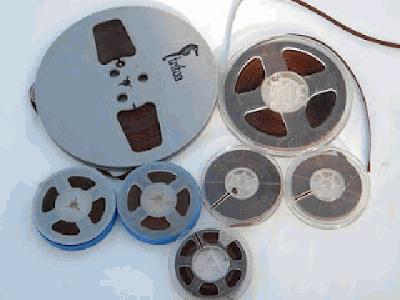
Before all of the aforementioned stuff happened, though, there was Snakepit. Believe it or not, back in the 80s Johnson played punk in a small Oregon band that never really got anywhere, releasing two EPs on minuscule labels before fading out of existence. Just before biting the dust, the ensemble committed a full length’s worth of material to tape, but the sessions never got released. In the advent of internet, the recording made it online with Mike’s consent, and it makes for an extremely enticing listen.
Why should you give a damn about some ancient, obscure tapes by a long forgotten band with so much other stuff around to tickle your musical palate? It’s a documentation of a distinctly talented, albeit unpolished individual shying away from his rowdy musical past to channel his inner melancholic. This results in a quite artistic, yet accessible record filled to the brim with songs of varying levels of depression. The rather lively band-centric arrangement ethos makes the tunes considerably easier to swallow. It’s only when the raucousness dies down in “Victim” and Mike croons “It’s the saddest thing I’ve seen in my time/To see a worthy man cut down in his prime” that you realise what you’ve been bobbing your head to. The majority of the record maintains this aesthetic, delivering a surprise amount of punch for numbers so downbeat. The most noticeable exception is the menacing “Impatient & Unwilling”, which usurps the critical track two slot with its gut wrenching single guitar arrangement augmented with a surprise cello in the outro. A number of tracks balance their arrangements between the two extremes, making for some pleasant dynamic shifts.
It’s quite obvious that the material is injecting vitriol into Johnson’s delivery, as his vocals strike a fine balance between his latter-day drawl and then-current powerful higher range lines. The guitar playing in particular is on top form. The disharmonic skronk that emerges in the middle of the punchy and streamlined “Separation” is anything but expected, but adds a new dimension to the track. The singing lead in “Home Ground” helps to bring back the song into sunny territory whilst subtly tipping its hat to the preceding menacing interlude. The constant minimalist presence in “Giving Up on Time” throws in just the right notes and stubbornly refuses to shift away from the established melody when given room to solo, helping sculpt the track into a true highlight. The playing knows which buttons to push at just the right moments to elevate songs, and is never overdone (“Victim” really benefits from all of the solo spots). It’s probably worth the price of admission alone.
Since Johnson was already trying something new and channelling his mellower nature into his band’s material, making it something of an experiment, he figured he could have a bit more fun. Harmonic experimentation ensued. Aside from the aforementioned dissonant leads, a number of sections feature oddball note choices. “F.M.D.” sounds like it could be a detective show theme, the interlude from “Home Ground” is just about the last thing you’d expect to crop up in that song, and “Obvious” goes all out, even bordering on black metal at times. It made for a very interesting foray, further varying the songs up, and it’s a bit of a pity that this side of the man was very seldom explored later on in his career.
The aptly titled Eeyore is among the greatest records to never see the light of day. It’s pretty close to a complete package – beautiful, oftentimes-sorrowful songs delivered with a punch to go down easy. Bob your head or rip your face off, take your pick. All this with a side of arrangements just varied enough, a dash of experimentation and inspired lead work. The material within is so solid that Mike resurrected tracks from this record for his solo albums on multiple occasions. One heck of a way to help discover your musical identity if I say so myself.