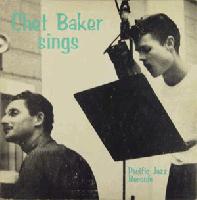
mostly posted for this:
After WW II, dope was everywhere, plentiful and cheap. Veterans returned from war with morphine habits because of injuries. Organized crime reopened supply routes from Turkey and the Far East and funneled heroin into America’s black urban neighborhoods, where it decimated communities with a particular fury. Harlem alto saxophonist Jackie McLean, who played a musician in The Connection and recorded on the soundtrack, remembers its arrival: “It came on the scene like a tidal wave. I mean, it just appeared after World War II. I began to notice guys in my neighborhood nodding on the corner, you know, and so we all began to find out that this is what — they were nodding because they were taking this thing called ‘horse.’ We called it ‘horse’ at that time.” McLean was fourteen when the war ended in 1945. Charlie Parker was twenty-five and already addicted. Like so many jazz musicians at the dawn of Bop, Parker’s inventive and dexterous playing entranced McLean, and the young musician ended up emulating his idol. “I didn’t care if someone said I sounded like him,” McLean said. “That’s what I wanted to do, and that’s all I dreamt of doing. I didn’t want to be original. I wanted to play like Charlie Parker.” Not only did he and other acolytes copy Parker’s playing, they copied his lifestyle. “A lot of guys in my community that idolized and worshipped Charlie Parker began to experiment with this drug,” he said, “including myself.” McLean spent the late 1940s and most of the ’50s using, and only achieved a lasting sobriety in 1964.
|