Review Summary: A darker second chapter that leaves fewer scars
The
Shores of Melancholia brought Green Carnation back into my rotation after years away. It reminded me why
Light of Day, Day of Darkness had stayed with me for so long, while showing how well the band’s elaborate style can work within a concise album. It also left the planned trilogy with plenty to prove. A beginning can afford to suggest possibilities. The middle chapter has to give those ideas weight while leaving enough unresolved for the finale.
Sanguis takes that responsibility seriously, even if it does not reach the same heights as its predecessor.
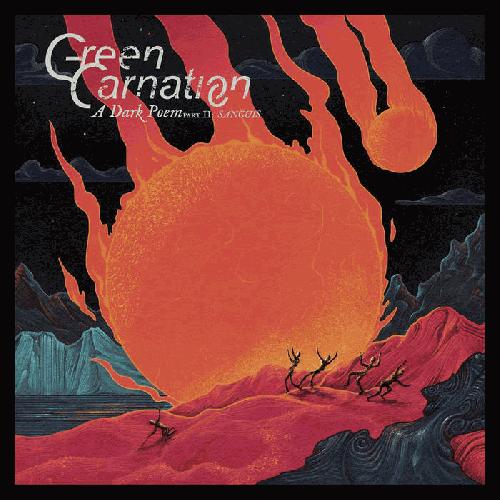
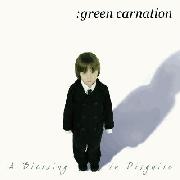
Part I looked beyond the individual and drew much of its melancholy from the world around it. Sanguis moves into more personal territory. Family trauma, illness and damaged relationships give the album a darker character, and the music follows suit. The cover points in the same direction. Its intense red background gives the artwork a more ominous cast and suits the dark tone of the music. The Hammond organ has a much larger presence this time, filling the background with an old progressive-rock warmth that can become quietly ominous. The writing is also a little more involved. Familiar chord movements are less dominant, and several pieces take longer routes before returning to their main themes.
Curiously, there are fewer death growls on what feels like the darker of the two records. That may well be intentional. Green Carnation do not need constant aggression to communicate pain, and Kjetil Nordhus is often more effective when he keeps his voice measured. The clean singing lets the unease build without forcing it. When harsher vocals finally appear, they sound like a break in someone’s composure instead of another expected change in style. The contrast works because the album does not overuse it.
At 37 minutes,
Sanguis is an almost ergonomic piece of progressive metal. Nothing has been stretched to fill space, and the album is short enough to play in one sitting without asking the listener to make an event of it. This matters to me. My patience for progressive music has narrowed over the years, especially when a band mistakes length for substance. Green Carnation remain ambitious, but they understand that a song can be elaborate without becoming exhausting. In that respect, Part II continues one of the first album’s greatest strengths.
The band sounds most assured when it stays close to the progressive doom that has served it so well. The opening title piece has that essential gravitas, helped by the organ and a riff that develops naturally across its nine minutes. Heavy passages gradually give way to gentler vocals, then a familiar lead pulls the music back towards its centre. Green Carnation have been making these shifts for decades, and there is still something satisfying about how easily they handle them. The rhythm section gives the heavier sections a firm foundation, while the guitars add detail without burying the songs under needless flourishes.
The middle of the album is less convincing. Here the band reaches for unfamiliar progressions and a few newer ideas, but the results do not stay with me. The songs remain carefully arranged and well performed, so the problem is not a sudden drop in quality. They simply lack the memorable lines and clear emotional peaks that made Part I so easy to revisit. Some transitions feel studied rather than instinctive, and the album briefly loses its grip. Its compact length prevents this dip from becoming frustrating, though it does explain why I cannot place
Sanguis alongside the stronger first chapter.
The quieter material restores some of that connection.
Loneliness Untold, Loneliness Unfold strips the music down and gives bassist Stein Roger Sordal room to carry the song with his own voice. It feels exposed in a way that the fuller arrangements cannot quite imitate. The closing
Lunar Tale goes further, leaning on acoustic guitar and piano to end the record with a mixture of sadness and hope. After so much inner conflict, its restraint feels right. Green Carnation absolutely capture the gothic tone and the emotional tragedy surrounding this part of the story, even when the melodies themselves are not always as lasting as the atmosphere.
Sanguis works as a solid second entry and adds something necessary to the trilogy. It is darker, more intimate and slightly more complex than
The Shores of Melancholia. I would still choose
Part I without hesitation. Its best moments climb higher, and more of its melodies stayed with me once the music stopped. Even so, this chapter gives the larger work greater emotional depth and should gain further meaning when heard beside the complete story. For now, it leaves Green Carnation in a promising position. Let us hope the final album can gather the strongest qualities of both chapters and give this dark poem the grand ending it deserves.
Recommended tracks:
Sanguis
Loneliness Untold, Loneliness Unfold
I am Time