Review Summary: Frozen thunder, stomping triumph
There is a particular kind of surrender that happens when we encounter a great story. It isn’t passive; it’s an active choice to step through a doorway, to let a narrative -whether in words, images, or sound- fold us into its world. We become willing participants in its reality. Some stories achieve this through groundbreaking plots or dazzling complexity, but others work a deeper, more primal magic. They don’t reinvent the wheel; they simply roll it with such conviction and atmospheric force that you forget you’re on familiar ground. This is the seductive, world-building power at the heart of Mammoth Storm’s debut album,
Fornjot.
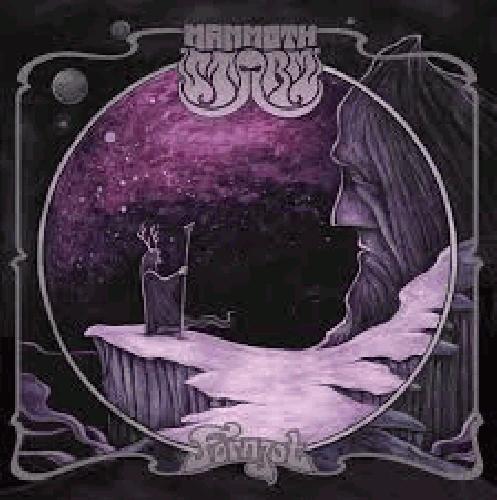
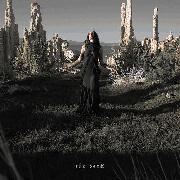
To listen to this Swedish doom metal record is to be told a story not of intricate plot twists, but of elemental force and ancient mood. From the moment the cover art -a stark, mythic wilderness- greets you, the stage is set. The album takes its name from a Norse giant of sea, fire, and wind, and its sound feels carved from those same raw materials. The name “Mammoth Storm” itself is almost perfectly descriptive, suggesting a confluence of primal forces: a torrential downpour, a glacial advance, the thunderous stampede of beasts from a forgotten age. The music embodies all three images simultaneously. Riffs crawl forward with tectonic patience, lead guitars drift overhead like brooding storm clouds, and a vast, cathedral-like reverb hangs over everything, creating a profound sense of desolate, ancient space.
Fornjot’s greatest achievement is this atmosphere, a thick, immersive fog of sound. Mammoth Storm operates in the drone-oriented corners of doom metal, where repetition and physical weight take precedence over catchy hooks or sudden shifts. The story here is told through texture and scale. Despite the band being a trio, the guitars are layered into broad, overlapping walls that feel enveloping and almost orchestral. The guitar is not merely just loud; it’s a polyphonic slurry of sounds where separate lines weave around a central, monolithic riff. The bass doesn’t merely underpin this structure but becomes its foundation, making the music feel intrinsically heavy from its core outwards. The vocals, delivered by bassist Daniel Arvidsson, occupy a fascinating middle ground -part weathered storyteller, part guttural growl- that adds a layer of human expression to the otherwise vast, inhuman landscape.
The true narrative instinct of Fornjot emerges in its subtle shifts. Within its deliberate, often unchanging tempo, a melody will suddenly cut through the din like sunlight through cloud cover. A riff will gain a more forceful sway, or a vocal delivery will harden, and these moments feel like changes in scenery on a long journey. They are the plot points of this sonic saga, proving that the band can introduce contrast and suggest movement without ever breaking the cohesive spell they’ve cast. The album, therefore, works less as a series of distinct chapters and more as one continuous, uninterrupted passage through a hostile, mythic realm.
This same cohesion, however, becomes the record’s limiting factor. The commitment to atmosphere means that many songs share similar tempos, tones, and methods of development. The line between hypnotic, trance-like repetition and simple predictability begins to blur. The riffs are undeniably imposing and well-played, but they can feel familiar, and certain passages linger long after their atmospheric point has been made. At nearly an hour in length, Fornjot demands significant patience, and it doesn’t always reward that patience with a strong sense of progression or climactic revelation. Its mythological theme is felt more powerfully through the overall soundscape than through any detailed lyrical storytelling.
Yet, to focus solely on these limitations is to miss the point of the journey. More than a decade after its release, the enduring appeal of Fornjot lies not in its innovation, but in the unwavering conviction with which it inhabits its chosen world. This is solid, immersive doom metal at its most effective. Its strongest passages are genuinely transporting - they can make the room feel colder, the shadows longer, and the listener feel wonderfully, insignificantly small. Does it occasionally trudge when it might stride? Yes. Does it tread well-worn ground? Absolutely. But for anyone willing to surrender to its deliberate, glacial pace,
Fornjot offers not just an album, but a journey to a forgotten world that feels startlingly, intimately real. And in the end, isn’t that what the best stories are for?
Recommended tracks:
Augurs Echo
Fornjot
Horns of Jura