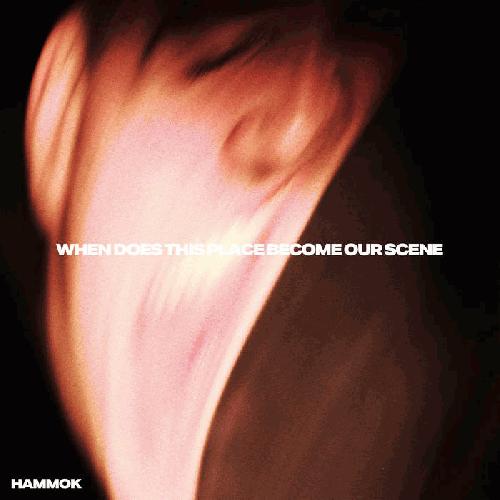
Review Summary: And the stars were ground to dust...
It truly enriches the soul to hear forward-thinking yet tastefully experimental punk music. It’s one thing to slap on that convenient “experimental” label, release a cacophony of noise, static, and feedback, and tell the listener to make of it as they will, it’s quite another to operate within the “confines” of genre to produce something as interesting, unique, and intentional as Hammok have with
When Does This Place Become Our Scene. This intention was born of the expansion of Hammok’s world. Touring off their brilliant debut
Look How Long Lasting Everything Is Moving Forward for Once, the band found themselves warmly embraced by the larger European hardcore scene. The acceptance filled lead writer Tobias Osland and co with invigorated fervor during the tour despite their current grind and work on
When Does This Place Become Our Scene began.
One of the unique aspects of Hammok is their predilection towards the sound design of their instruments on their albums before of any sort of moshability of the songs. On
When Does This Place Become Our Scene, this manifests in a few noteworthy ways. Osland’s guitars wail and scream all throughout the album’s runtime to a haunting yet powerful effect while songs like “Semi- Automatic Machines” and “Blast Off (Blast Off) Blast Off” showcases an almost chiptune quality to the guitars a la The Armed. It’s not all squeals though, as album highlight “BANG” is an absolute scorcher of a track with its furious pacing and massive, thundering bass tone, another welcome wrinkle that gives the album immense staying power.
While it’s these textures that give the album its color and vibrancy,
When Does This Place Become Our Scene has the soul of a buzz saw. Osland’s vocals are delivered with palpable ferocity, underpinning the album’s themes of loneliness. The lyrics touch on more nuanced notions of this theme with Osland questioning whether having the capacity to be alone is a strength or should we all be striving to be a part of a community, i.e.
when does this place become our scene? These notions are delivered under a barrage of sharp angular riffage and a monstrous drumming performance. It’s everything fans of hardcore could want in innovative conception and songwriting.
When Does This Place Become Our Scene plays much shorter than its runtime. It’s ambitious experiments with sound design, pacing, and performance gel perfectly with its focus on hook-infused bangers. And while the album doesn’t ever really mine the reflexive emotional depths that songs like “Brainrotdespiration” or “Wannabe (Billboard No. 1)” did on their last album, the diversity Hammok displays on
When Does This Place Become Our Scene bodes extremely well for the future. The decision to start the writing process for a follow up album so soon after the release of a debut doesn’t always work for bands, but striking while the iron is hot is much easier when you have ideas like these waiting to come out.