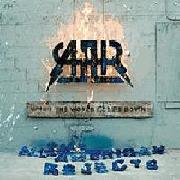
Review Summary: An admirably unconventional return
If there’s one thing I’ve never quite understood about criticism surrounding The All-American Rejects - and there’s been plenty to criticize - it’s this idea that they haven’t
changed enough. By pop-rock/pop-punk standards, they’ve actually evolved quite a bit from release to release.
When The World Comes Down was most assuredly a huge step down in overall production value and pop songcraft compared to
Move Along, but it was deceptively catchy and there are still a few tunes from it that I count among their very best.
Kids in the Street was even less immediate, but dialed up the ambition - perhaps a tad beyond their abilities, even. Now,
fourteen years since that record dropped and everyone assumed they'd be long gone, they’ve seemingly sanded down that overzealous creativity into a charming brand of quirkiness.
Move Along remains the high water mark, but The All-American Rejects have also made it clear in the twenty-one years since its release that they have no real interest in trying to recreate that album or replicate its success. And even if the results have been uneven at best, that deserves to be commended just a little bit.
Sandbox is a strange experience from start to end, with lyrics ranging from childhood nostalgia to clowns eating human skulls. I’ve never really been into The All-American Rejects for their lyrics - and not much has moved me on this front, either - but I do like that they at least opted for entertainment value here rather than rehashing the same tepid style of love songs they deployed on
Move Along and
When The World Comes Down. When the band leans into more sentimental tones here, it’s actually quite tasteful. 'Green Isn’t Yellow’ nails the nostalgia factor with the beautifully written “Barefoot in the pastures of my childhood homestead / Rocks through yonder broken windows / Screaming lullabies for little guys in bunk beds / And the cottonwoods in summer are falling like snow”, while ‘For Mama’ works on the basis of its sullenly layered vocals and the piercing delivery of “From a son to a mother / I can’t fix you”.
Sandbox isn’t a very emotional record on its face, but it manages to slip in enough sentiment to make this more than just some dispassionate pop-rock exercise.
The album is at its best when its following its whims straight off a cliff, though. The screams that open the whole experience up on ‘Easy Come, Easy Go’ are nothing if not unexpected, the unapologetic melodic groove and creepy
IT-adjacent storyline of ‘Search Party!’ make it immediately engaging, and the way ‘Eggshell Tap Dancer’ refuses to conform to any traditional song structure feels refreshing on that merit alone. Despite The All-American Rejects’ ability to throw us some strong curveballs, they still deliver full-throttle earworms when they so desire, like ‘King Kong’ - which boasts arguably their most infectious chorus since ‘Gives You Hell’, or the strangely haunting ‘Sandbox’. They ultimately end the album just like they begin it, though - ramping up the guitars and going for broke with screams that seem uncharacteristic for Tyson Ritter, yet somehow fitting.
Sandbox is more complicated to evaluate than an All-American Rejects album really should be, but that’s a good thing. It’s certainly not their most memorable release from a melodic standpoint, but it still gets its share of hooks in. It’s not always as bizarre as
Kids in the Street sometimes seemed, yet it still colors pretty damned far outside the lines of your average pop/pop-rock/pop-punk outing. The All-American Rejects remain a moving target in a scene where formulas reign supreme, and while
Sandbox may not earn them any impressive accolades, it’s an admirably unconventional return.