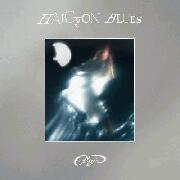
Review Summary: Dying to live.
Nu-metal has never been a cheery, light-hearted genre. Built upon the cornerstones of hostility, aggression, and inner purging, nu metal has served more as a desperate and exhausted confessional than a motivating pep rally. Look no further than an overdose Corey Taylor captured lyrically on “Everything Ends” by Slipknot or a budding addiction and a level of escapism provided by drugs examined on “Pharmaecopia” by Mudvayne. If those examples were not uncomfortable enough, give the utterly disturbing, seventeen-minute misery marathon of Korn’s “Daddy” a listen – an auditory experience more than a song, which peels back layer after layer of trauma stemming from sexual abuse Jonathan Davis suffered until he is left defeated, reeling and sobbing into a microphone.
How is any of this relevant to Moodring’s
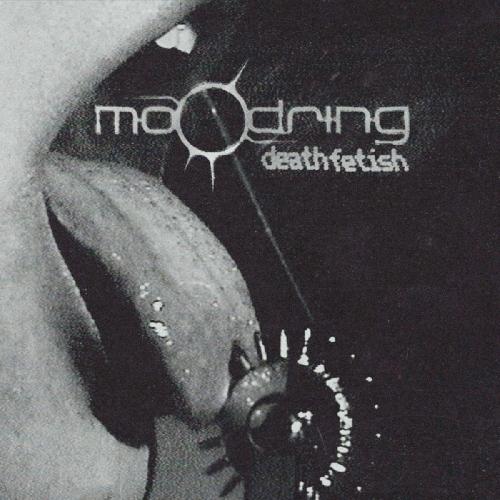
death fetish, one might ask? After the release of Moodring’s debut album,
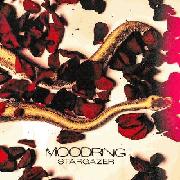
Stargazer, a release where the band was credited with being part of a nu metal revival with common comparisons to Deftones, the band’s vocalist and now main member, Hunter Young, was diagnosed with a chronic neuroimmune disease which immediately halted any touring plans and threatened the existence of the project in general. Ironically, and almost undoubtedly unintentionally, a curious reader only needs to quickly scan the release titles since the band’s debut album to get an idea of how the journey has been unfolding for Hunter:
Stargazer to
Your Light Fades Away to
death fetish. Hunter’s seemingly gone from looking upwards, to inwards, to now contemplating the very ground beneath his feet. Speaking from personal experience, what most people may not realize is that the most insidious aspect of neuroimmune diseases is they are nearly invisible to the naked eye. Someone who might appear calm, collected, capable, and strong may truly be worried, unstable, incapable, and weak. What might appear normal may be anything but normal, and if studied close enough, subtle signs and symptoms may eventually become obvious.
Fortunately or unfortunately for listeners, Hunter eliminates all of the guesswork regarding how he has been feeling on
death fetish and opener and debut single, “Half-Life”, is the perfect lyrical summary and sonic representation of the album as a whole. Reflective singing in the verses gives way to a soaring chorus where Hunter admits, “
I’m living half a life now/I’m swallowing the pain/What’s left to take?” The song takes an unexpectedly quieter turn into a second verse with Hunter softly sharing, “
Now our time is wearing thin/Paint the walls inside my room/Like the roses left for you/I’m feeling nervous/You don’t deserve it, but the tension builds gradually from hushed singing to strained pleading as Hunter continues, “
Remove the red/It’s my head that you’re breathing/Please just say it” until he screams, “
I can’t ***ing take it” and the track explodes in anguish, almost serving as a chilling auditory representation of that ever so tempting trigger pull.
Quite frankly, this infatuation with agony, suicide, and death does not end with the opener. “Bleed Enough?” pulsates with electronics and a stop-start riff, circling around a hook of “
Drag it slow/Across the throat/Spill it out/I need it now”. “Die Slow” grapples with the sobering realization Hunter would prefer to, well, not die slow and readers may even be interested to learn that Hunter expressed a desire to be eaten by a shark as his ideal way to perish in a recent interview. Honestly, even the title of “Gunplay (Suicidal 3way)” requires minimal investigation to determine a meaning. Hey, the album’s called
death fetish, remember? Listeners should not expect to bathe in flowery verbiage and revelatory metaphors while listening to an album more akin to a primal scream therapy session than anything else.
That said, the album covers more ground than simply desiring to be placed under it. “Masochist Machine” features an opening riff which grinds like a whirling sawblade against cold steel doors of a mental hospital. The track is a twisted, high-octane adrenaline rush that is oddly just as danceable as frenzied. Lyrically, the song revisits the concept of invisible illnesses, wrestling with perceptions of others, and the psychosomatic aspect of various illnesses where factors such as anxiety and stress worsen the condition. “Ketamine” is an undeniably moody, electronics-heavy eulogy of sorts where lyrically, Hunter reaches the point of being unable to discern where life-sustaining medication begins and the best version of himself he used to know ends as his vocoder-heavy singing cleverly masks his natural tone and emphasizes the underlying meaning of the piece. “Anywhere But Here” is a momentary glance into the past, featuring the soaring vocals and shimmering melodies of
Stargazer, albeit with an ever-present gloomy edge. Personal highlight “STFA” tackles the numbness, irritability, and isolation that often afflicts individuals living with chronic illness. Sonically, the track - which is an acronym for exactly what one might think it means - finds Moodring cranking all the rage, drama, and general songwriting mood swings of
death fetish to their absolute max.
As “coldmetalkiss” winds
death fetish to a more deliberate, yet captivating close, Hunter croons, “
Maybe I can cure myself with pushing past the pain/Maybe time is all I have until I push myself away”. Questions and wounded observations continue to mount as the closer surges with one last burst of life as Hunter realizes all he has left is “
… singing songs to make me stay" while he wordlessly and delicately sings over a fierce, churning guitar riff. This rather brief and poignant moment adequately symbolizes the almost impossible challenge of trying to find solace in even the bleakest moments and as soon as one connects with it, the song perishes.
On Moodring’s second full length album, the band’s particular brand of nu metal is used as a vessel to purge the worst that life has to offer yet also acts as a familiar warm blanket of nostalgic comfort. For those who can personally relate to the inspiration coursing beneath the music and have wrestled with chronic neuroimmune diseases, it is painfully obvious the general anguish on display, the aching and fury heard in Hunter’s voice, and the raw, candidly confrontational lyrical content all originates from an uncomfortably genuine and real place within. For those unfortunate few who have been in the same suffocating headspace or have had to care for someone in a familiar, seemingly hopeless situation, these twelve tracks serve as a weary embrace from someone who has experienced similar daily suffering. For those who cannot exactly relate, hopefully they can find common ground empathizing with another soul that has been beaten down by the universal experience of being human and acknowledging someone who still insists on hanging on, even by a thread, despite it all. While
death fetish may be a brutish, blunt, and shocking collection of songs on the surface, the album serves as an unflinching and uncompromising account of confronting chronic illness, one’s mortality, and acts as a pointed reminder to embrace one’s health and the limited time afforded to us all.