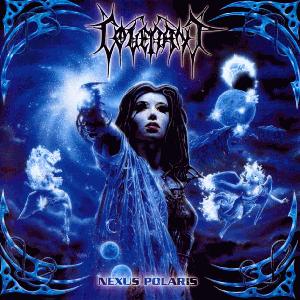
Review Summary: A bold and imaginative symphonic black metal album that blends cosmic atmosphere and progressive ambition.
Nexus Polaris by The Kovenant stands as one of the most ambitious hybrids to emerge from the Norwegian extreme metal scene of the late nineties!
Originally formed as Covenant, the band combined symphonic black metal with futuristic atmospheres and gradually incorporated industrial elements, setting themselves apart from more orthodox acts. With Nagash at the compositional core and the formidable presence of Hellhammer behind the drums, the album benefits from both conceptual ambition and exceptional musicianship.
The Sulphur Feast opens the record with grandeur. Lush keyboard layers, angelic choirs, and commanding rhythmic force immediately establish the symphonic dimension of the album. Despite its black metal backbone, the song introduces structural variety and even progressive touches, signaling that this is more than a straightforward genre exercise.
Bizarre Cosmic Industries begins with aggression but soon reveals one of the album’s most interesting melodic moments through a piano and bass interplay that adds depth and character. The theatrical, almost circus-like closing passage, again driven by piano, reinforces the band’s flair for dramatic arrangements. Unfortunately, the lead vocals feel comparatively weak, slightly undermining an otherwise creative composition.
Planetarium leans more decisively into rhythmic force, with guitar tones that evoke traditional black metal. The central section highlights an impressive bass performance, though overall the track feels slightly less inspired than its predecessors.
The Last of Dragons introduces the first blast beats of the album, allowing Hellhammer’s signature style to shine. The song’s extended structure embraces progressive tendencies, balancing black metal intensity with melodic richness and angelic vocal accents. Particularly striking is the mysterious section around the third minute, where layered keyboards create a dense, cosmic atmosphere.
Bringer of the Sixth Sun may be the album’s most overtly neoclassical piece. Its symphonic opening, doubled vocal lines, and operatic sensibility push the theatrical dimension to the forefront. Midway through, surprising tempo shifts and gothic church organ melodies create a mood reminiscent of a dark fantasy soundtrack. The keyboard work here is especially refined.
Dragonheart initially charges forward with a more traditional black metal attack, once again showcasing Hellhammer at his most dynamic. As the track unfolds, it incorporates neoclassical and symphonic elements that connect it to earlier songs, demonstrating stylistic cohesion while maintaining intensity.
Planetary Black Elements begins to show signs of creative fatigue. Structurally and compositionally, it adds little new to what has already been explored. However, the prominent female vocals toward the end elevate the closing moments and add emotional contrast.
Finally, Chariots of Thunder disrupts the flow with abrasive guitars that push the album toward a more industrial metal direction. Its dark and suffocating atmosphere is compelling, and the guitar work stands out as its strongest asset. The martial character of the finale gives the impression of a grand farewell.
Conclusion: despite some uneven moments, the weak male vocal performance and a late dip in originality, Nexus Polaris remains a bold and imaginative work. Its fusion of symphonic black metal, progressive structures, and early industrial experimentation makes it a distinctive release within its era.
Best tracks: The Sulphur Feast, Bizarre Cosmic Industries, The Last of Dragons, Chariots of Thunder.