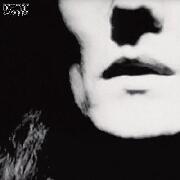
Review Summary: The experimental years.
The period of time between 1991 and 1997 in No-Man’s history saw them at their most active, radio friendly and ultimately, sonically diverse. As an emerging synth-pop/trip hop project, the trio released two full lengths, as well as a mini album and several singles by 1994. They gained momentum through a string of charting songs, which for the members amounted to a significant degree of success at the time. However, the remaining duo, Steven Wilson and Tim Bowness (as Ben Coleman departed before the release of
Flowermouth), had more ambitious things in mind than just trying their hand at mainstream music. Thus, a transition towards art rock, dream pop and ambient music gradually occurred, culminating in the overall diversity of 1996’s
Wild Opera. The two relied on spontaneous, improvised sessions instead of prolonged hours of song writing and glossy production. A fair amount of recorded material was shelved until it was finally compiled into
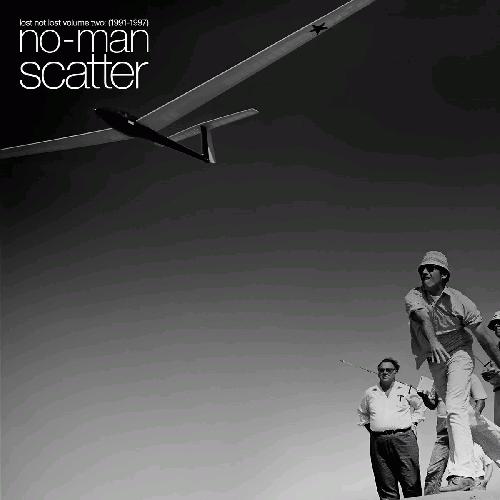
Scatter, the second volume of
Lost Not Lost series. As expected, the tracks featured here showcase the eclectic nature of the phases No-Man went through during years of sonic experimentation. Additional samples by Robert Fripp can be heard throughout, as well as wind instruments and bass contributions, courtesy of Mel Collins, Theo Travis and Colin Edwin, respectively.
In a way,
Scatter sounds like fusing their first three records together. Starting strong with the grittier “Gothgirl Killer”, featuring distorted bass lines and pounding beats, Tim gently croons against hazy ambient pads. He often gets buried in the mix, while the sound collage takes over. The final part of the song brings forth saxophone and flute solos for extra sonic tension. The tune would have been a perfect opener for
Wild Opera, had it been composed in time for its release. Next is “All the Reasons”, whose atmosphere echoes “Shell of a Fighter” off
Flowermouth. Parts of it might have been reimagined for the respective tune given the similarities, yet this one ended up just as lush and charming. Meanwhile, the swinging bass groove of “Samaritan Snare” boasts lounge vibes, augmented by saxophone touches. It makes for quite a unique number in No-Man’s catalogue. It is interesting to see such an upbeat mix of styles, together with the slow transition to the mellow cuts that became a staple in the band’s works following this era. “The Night Sky”, for example, provides gorgeous, melodic choruses amid sequencer-led, disco oriented rhythms. There is also the chill out instrumental “Paradub” or the catchy, pop leaning “Love Among the White Trash”. Moreover, “Amateurwahwah” sounds like Bowness crashing a garage jam, his pristine voice contrasting the raw guitar riffs and drumming.
There is even more diversity on
Scatter, each song carving its own path, really. It just displays how unfiltered their sonic vision was during those times. The murky bass on “Drug Me” works beautifully against the psychedelic guitar chords and percussion elements. Along with the dark, new age interlude “Pale as Angels” it displays snippets of the atmosphere developed on Porcupine Tree’s
Signify. Plus, “Coming Through Slaughter” could as well be the result of the respective band performing with Tim on vocals instead. Overall, this collection of tunes is a goldmine for long-time fans of the two artists. It offers a lovely behind the scenes glimpse of No-Man’s most active era, as well as Steven Wilson’s influences and diversification of styles that turned PT material into the albums we’ve ended up listening to.